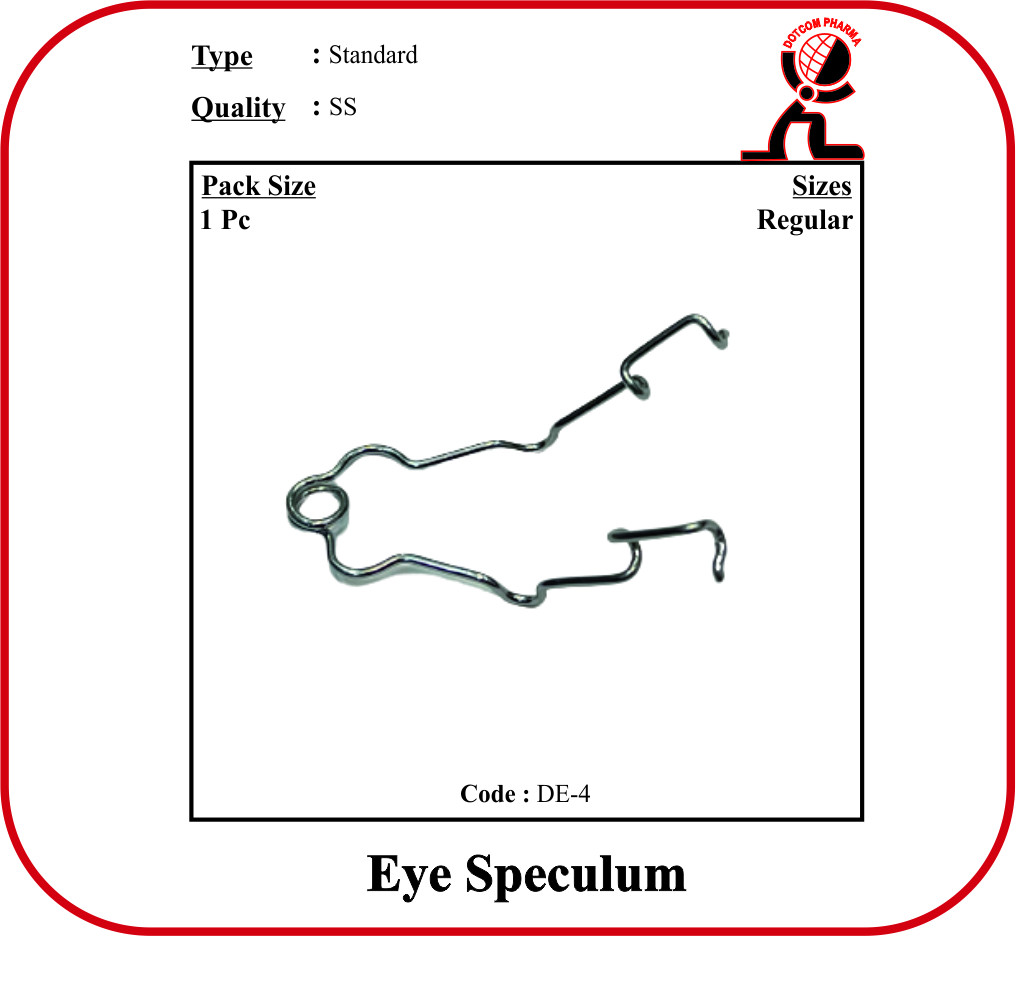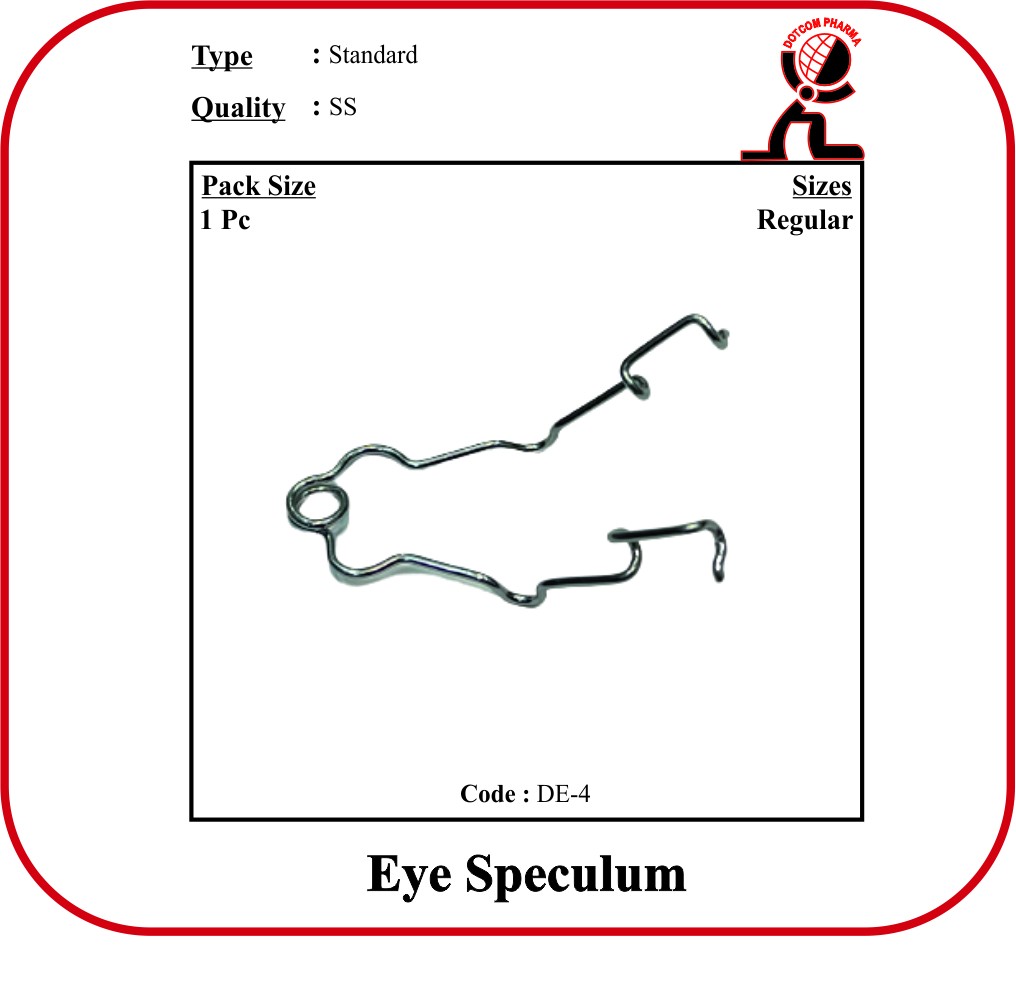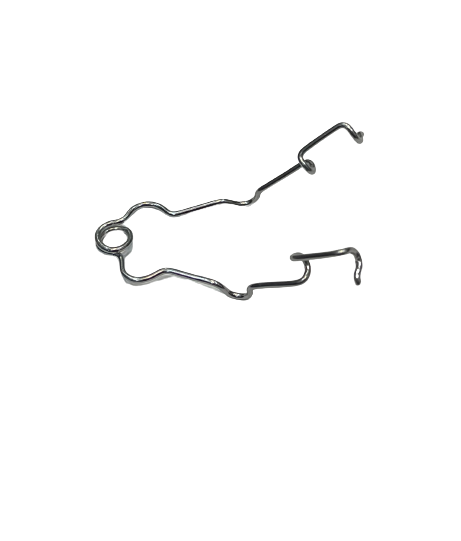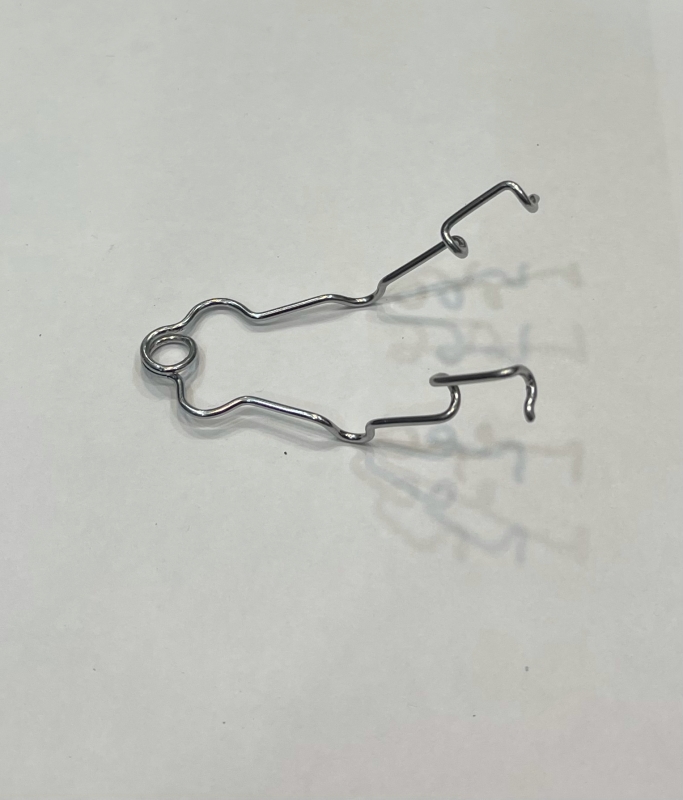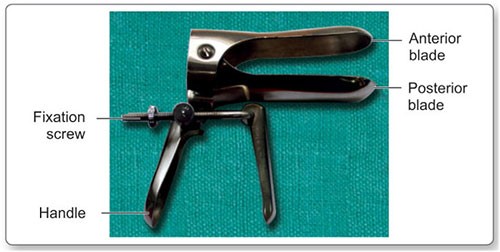
Eye Speculum

Drug Name

: NA

Drug Role

: An Eye Speculum is a surgical instrument used to hold the eyelids apart during ophthalmic examinations or procedures. It provides hands-free access to the eye by preventing blinking, commonly used in both human and veterinary medicine.

Schedule:
NA
Prescription Required:
No
Brand / Mfg:
DOTCOM PHARMA
/ Piece
MRP: Inclusive of all taxes
Discount Applied:
MRP
-
Price
-
-
Discount
-
-
+ Tax
-
-
Total You Save
-
You Save:
Size
Type
Quantity
(10 available)
Total Amount Product Wise:

Ceritifcations:

Certificate
Certificate
Certificate
Certificate
Certificate
Certificate
Certificate
Certificate
Certificate
Certificate

Please login / register to buy or to get detailed information of the product

SKU:

Stock Available:

Batch / Lot. No:

Shelf life:

Manufacturing Date:

-

Expiry Date:

-

Minimum Pack Size:

Minimum Order Qty:

1

Pharma Categories:

• Category: Surgical Ophthalmic Instrument

Product Form:

• Form: o Reusable (metal) o Disposable (plastic or coated wire)

Category:

Veterinary

Group:

N/A

Type:

• Wire Speculum (e.g., Barrique, Kratz) • Solid Blade Speculum (e.g., Cook, Alfonso) • Spring Action / Self-Retaining • Adjustable Tension Blade/ Paediatric or Veterinary Specific Types

Material:

• Stainless Steel • Titanium (lightweight, premium) • Aluminium Alloy • Disposable Plastic-Coated Wire

HSN Code:

90185090

HS Code:

9018.50

Country of Origin:

India

TAX:

5%

Qty per Piece:

Weight Of Each Piece:

Piece Dimensions (L×W×H):

Qty per Buffer Box / Shrink Pack:

Weight of Buffer Box / Shrink Pack:

Buffer Dimensions (L×W×H):

Total Qty per Case:

Total Weight per Case:

Case Dimensions (L×W×H):

Weight / Volume:

Dimensions:

Estimate Shipping Time: 10 Days

Inhouse product

An Eye Speculum is a surgical instrument used to hold the eyelids apart during ophthalmic examinations or procedures. It provides hands-free access to the eye by preventing blinking, commonly used in both human and veterinary medicine.

•  Function: Keeps eyelids retracted

•  Operation: Self-retaining or manually controlled

•  Size: Infant to adult (20 mm – 50 mm approx.)

•  Weight: 5–10 g depending on type

•  Sterility: Autoclavable or pre-sterilized disposable

•  Adjustment: Some models offer spring-loaded or screw-type adjustments

Sizes

•  Neonatal: 20–25 mm

•  Paediatric: 30–35 mm

•  Adult: 40–50 mm

•  Veterinary: Size varies depending on animal species

Shapes

•  Curved or straight arms

•  Wire loops

•  Solid blades

•  Fenestrated blades

•  Spring or screw-tension type

•  Wire Speculum (e.g., Barrique, Kratz)

•  Solid Blade Speculum (e.g., Cook, Alfonso)

•  Spring Action / Self-Retaining

•  Adjustable Tension Blade/ Paediatric or Veterinary Specific Types

•  Stainless Steel

•  Titanium (lightweight, premium)

•  Aluminium Alloy

•  Disposable Plastic-Coated Wire

•  Category: Surgical Ophthalmic Instrument

•  Form:

o  Reusable (metal)

o  Disposable (plastic or coated wire)

Used to retract and hold open the eyelids for:

•  Ophthalmic surgeries

•  Eye examinations

•  Foreign body removal

•  LASIK

• Cataract procedures

•  Provides consistent eyelid retraction

•  Improves visibility and access

•  Reduces need for manual retraction

•  Available in a range of sizes/types

•  Disposable types reduce infection risk

•   Can cause discomfort or bruising if misused

•  Not suitable for short procedures without sedation

•  Disposable versions may lack rigidity

•  Risk of corneal damage if improperly positioned

•  Always choose the correct size

•  Lubricate the blades if necessary

•  Avoid excessive tension

•  Use sterile equipment

• Monitor the eye during longer procedures

Reusable

•  Autoclave sterilization (121–134°C)

•  Cold sterilization (if heat not available)

•  Dry thoroughly to prevent corrosion

Disposable

•  Pre-sterilized (ethylene oxide or gamma)

•One-time use only

•  Dispose of in biohazard bin

•  HS Code: 9018.50 – Ophthalmic instruments

•  HSN Code (India): 90185090 – Other ophthalmic instruments and appliances

•  LASIK

•  Glaucoma Surgery

•  Eye Examination

•  Eyelid Surgery

•  Foreign Body Removal

Eye surgeries in dogs, cats, horses

•  Treatment of corneal ulcers

•  Ocular examination under sedation

•  Equine ophthalmic procedures

•  Use in exotic animals (e.g., rabbits, birds)

Q1. What is an Eye Speculum (ES)?

•  An instrument used to hold eyelids open during procedures.

•  Full Form: Eye Speculum

•  Short Form: ES

Q2. Is it safe to reuse an Eye Speculum?

•  Yes, if it’s a reusable model and is properly sterilized before each use.

Q3. Can the same ES be used for animals and humans?

•  No. Veterinary speculums are designed to fit different anatomy and sizes.

Q4. How do you sterilize a reusable Eye Speculum?

•  By autoclaving or using chemical sterilization as per manufacturer's guidance.

Q5. What sizes are available?

•  Neonatal, Paediatric, Adult, and species-specific veterinary sizes.

Secure Transaction

100% secure payment

Top Brand

Trusted quality

Non Return

Due to hygiene
Refund
Not Applicable
Share
Top Selling Products
0 out of 5.0
(0 reviews)
There have been no reviews for this product yet.

An Eye Speculum is a surgical instrument used to hold the eyelids apart during ophthalmic examinations or procedures. It provides hands-free access to the eye by preventing blinking, commonly used in both human and veterinary medicine.

•  Function: Keeps eyelids retracted

•  Operation: Self-retaining or manually controlled

•  Size: Infant to adult (20 mm – 50 mm approx.)

•  Weight: 5–10 g depending on type

•  Sterility: Autoclavable or pre-sterilized disposable

•  Adjustment: Some models offer spring-loaded or screw-type adjustments

Sizes

•  Neonatal: 20–25 mm

•  Paediatric: 30–35 mm

•  Adult: 40–50 mm

•  Veterinary: Size varies depending on animal species

Shapes

•  Curved or straight arms

•  Wire loops

•  Solid blades

•  Fenestrated blades

•  Spring or screw-tension type

•  Wire Speculum (e.g., Barrique, Kratz)

•  Solid Blade Speculum (e.g., Cook, Alfonso)

•  Spring Action / Self-Retaining

•  Adjustable Tension Blade/ Paediatric or Veterinary Specific Types

•  Stainless Steel

•  Titanium (lightweight, premium)

•  Aluminium Alloy

•  Disposable Plastic-Coated Wire

•  Category: Surgical Ophthalmic Instrument

•  Form:

o  Reusable (metal)

o  Disposable (plastic or coated wire)

Used to retract and hold open the eyelids for:

•  Ophthalmic surgeries

•  Eye examinations

•  Foreign body removal

•  LASIK

• Cataract procedures

•  Provides consistent eyelid retraction

•  Improves visibility and access

•  Reduces need for manual retraction

•  Available in a range of sizes/types

•  Disposable types reduce infection risk

•   Can cause discomfort or bruising if misused

•  Not suitable for short procedures without sedation

•  Disposable versions may lack rigidity

•  Risk of corneal damage if improperly positioned

•  Always choose the correct size

•  Lubricate the blades if necessary

•  Avoid excessive tension

•  Use sterile equipment

• Monitor the eye during longer procedures

Reusable

•  Autoclave sterilization (121–134°C)

•  Cold sterilization (if heat not available)

•  Dry thoroughly to prevent corrosion

Disposable

•  Pre-sterilized (ethylene oxide or gamma)

•One-time use only

•  Dispose of in biohazard bin

•  HS Code: 9018.50 – Ophthalmic instruments

•  HSN Code (India): 90185090 – Other ophthalmic instruments and appliances

•  LASIK

•  Glaucoma Surgery

•  Eye Examination

•  Eyelid Surgery

•  Foreign Body Removal

Eye surgeries in dogs, cats, horses

•  Treatment of corneal ulcers

•  Ocular examination under sedation

•  Equine ophthalmic procedures

•  Use in exotic animals (e.g., rabbits, birds)

Q1. What is an Eye Speculum (ES)?

•  An instrument used to hold eyelids open during procedures.

•  Full Form: Eye Speculum

•  Short Form: ES

Q2. Is it safe to reuse an Eye Speculum?

•  Yes, if it’s a reusable model and is properly sterilized before each use.

Q3. Can the same ES be used for animals and humans?

•  No. Veterinary speculums are designed to fit different anatomy and sizes.

Q4. How do you sterilize a reusable Eye Speculum?

•  By autoclaving or using chemical sterilization as per manufacturer's guidance.

Q5. What sizes are available?

•  Neonatal, Paediatric, Adult, and species-specific veterinary sizes.

0 out of 5.0
(0 reviews)
There have been no reviews for this product yet.

More From Instruments

Top Selling Products
Search any image
Drag an image here or upload a file
Or