 +91 88281
11034
+91 88281
11034
 Need Help?



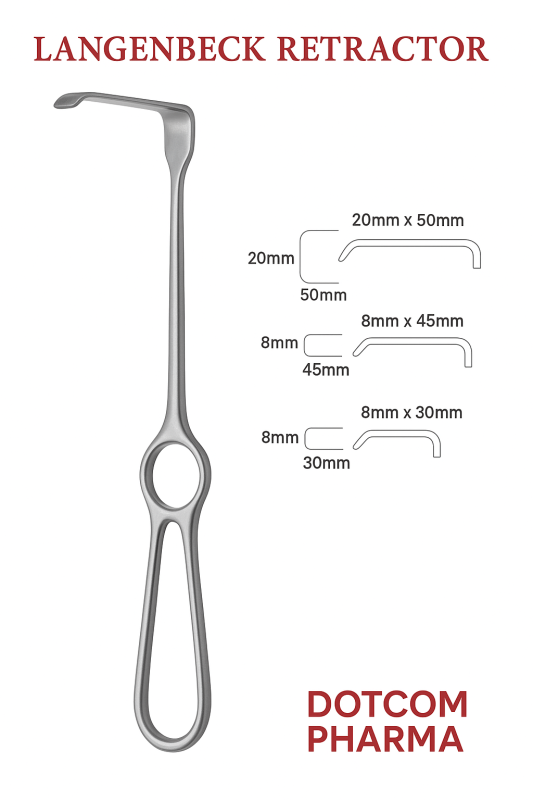
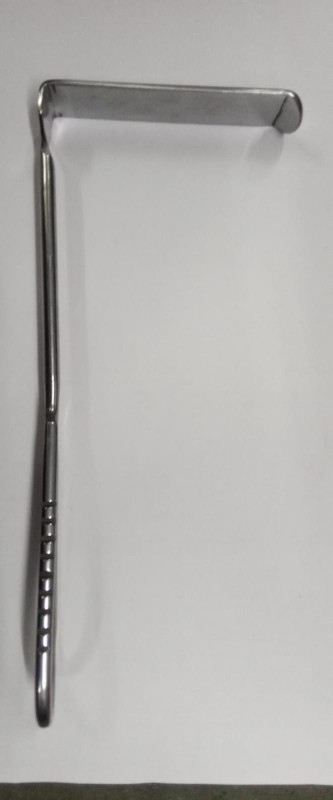
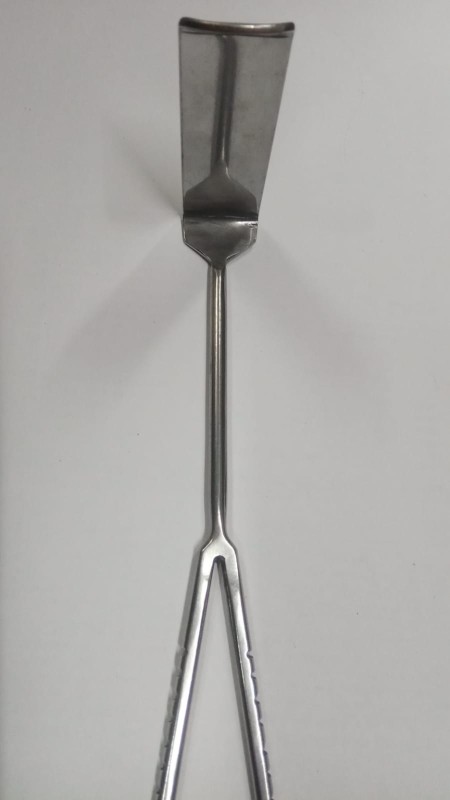
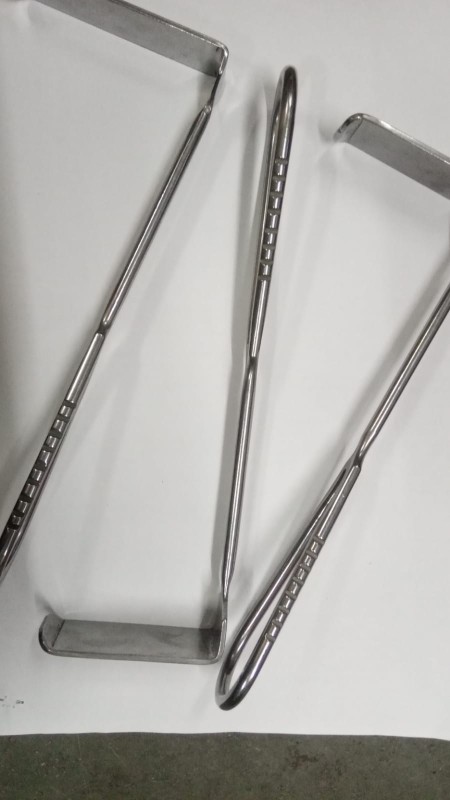
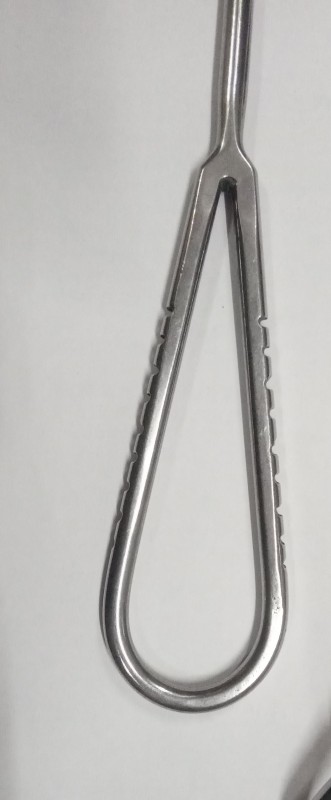
Langenbeck Right Angled Retractor
Drug Name
: NA
Drug Role
: The Langenbeck Right Angled Retractor is a specialized surgical instrument used for retracting tissue during surgical procedures.
NA
No
Ceritifcations:










Please login / register to buy or to get detailed information of the product
SKU:
Stock Available:
Batch / Lot. No:
Shelf life:
Manufacturing Date:
-
Expiry Date:
-
Minimum Pack Size:
Minimum Order Qty:
1
Pharma Categories:
Surgical Instruments
Product Form:
Retractor
Category:
Instruments
Group:
N/A
Type:
Hand-Held Surgical Retractor
Material:
Stainless Steel
Tags
HSN Code:
9018.31
HS Code:
9018
Country of Origin:
Imported
TAX:
5%
Qty per Piece:
Weight Of Each Piece(gm):
Piece Dimensions (L×W×H):
Qty per Buffer Box / Shrink Pack:
Weight of Buffer Box / Shrink Pack:
Buffer Dimensions (L×W×H):
Total Qty per Case:
Total Weight per Case:
Case Dimensions (L×W×H):
Weight / Volume:
Dimensions:
Inhouse product
The Langenbeck Right Angled Retractor is a specialized surgical instrument used for retracting tissue during surgical procedures. It has a right-angled blade that allows for a firm grasp of tissue while keeping the surgical field clear and providing better visibility to the surgeon. The instrument is typically made of high-quality stainless steel for durability, strength, and resistance to corrosion.
• Material: Made from stainless steel, which ensures strength, durability, and resistance to rust and corrosion.
• Blade Design: The blade is right-angled to provide easy retraction of tissues in confined or deep surgical areas.
• Size: Generally available in various sizes, such as 6-8 inches in length, though custom sizes may be available for specific surgical needs.
• Finish: Typically has a high-gloss finish to prevent tissue adhesion and make cleaning easier.
• Small: Typically around 6 inches (15 cm) for use in more delicate or superficial surgeries.
• Medium: Around 7 inches (18 cm) for general surgical use, such as in orthopaedic or abdominal procedures.
• Large: Around 8 inches (20 cm) for use in deep surgical sites or major surgeries.
• Right Angled Blade: The key feature of the Langenbeck retractor is its right-angled blade, which allows it to reach areas that would otherwise be difficult to access.
• Straight Handle: The handle is usually straight or slightly curved to provide a comfortable and firm grip during surgery.
• Standard Langenbeck Retractor: The typical model with a simple right-angle blade and straight handle.
• Double-Ended Langenbeck Retractor: Some models feature a double-ended design, with different sized blades on each end for use in various tissue retraction needs.
• Langenbeck with Ratchet: Some advanced models feature a ratchet mechanism for locking the retracted tissue in place, reducing the need for continuous manual holding.
• Stainless Steel: Most Langenbeck retractors are made from high-quality stainless steel, making them resistant to corrosion, rust, and wear over time.
• Electro-polished Finish: Some models are electro-polished to improve resistance to bacteria buildup and for easier cleaning.
• Surgical Instruments
• Tissue Retractors
• General Surgery Tools
• orthopaedic Surgical Instruments
• Reusable: Langenbeck retractors are reusable, making them a long-term solution in surgical settings. They must be properly sterilized after each use to maintain hygiene.
• Sterilizable: The instrument is autoclavable, making it suitable for repeated use in sterile environments.
• Tissue Retraction: The primary function of the Langenbeck retractor is to retract tissues, especially in deep or narrow surgical areas, providing the surgeon with a clear view of the surgical site.
• orthopaedic Surgery: Used to retract muscles, ligaments, or other tissues during joint or bone surgeries.
• Gastrointestinal Surgery: Commonly used to retract abdominal organs or other internal structures during gastrointestinal procedures.
• Effective Tissue Retraction: The right-angled blade design allows the instrument to provide strong, effective tissue retraction in tight spaces.
• Comfortable Grip: The straight handle provides a firm and ergonomic grip for the surgeon, reducing hand fatigue during extended procedures.
• Versatility: Suitable for a wide range of surgeries, from general surgery to specialized orthopaedic or gastrointestinal procedures.
• Durable: Made from stainless steel, making it a long-lasting investment for surgical teams.
• Size and Weight: Some models may be relatively heavy or large, making them harder to manoeuvre in smaller surgical sites or in delicate surgeries.
• Sterilization Requirements: Requires proper sterilization after each use to maintain hygiene, and autoclaving can be time-consuming.
• Not Ideal for Very Shallow Surgeries: The design is b
• Handle with Care: As with any surgical instrument, avoid dropping or hitting the Langenbeck retractor on hard surfaces to prevent damage.
• Proper Sterilization: Always ensure that the retractor is thoroughly sterilized before use to prevent infection.
• Avoid Over-Extension: The retractor should be used carefully to avoid excessive tension or tearing of tissues, especially in delicate surgeries.
• HS Code: 9018 (Surgical instruments and apparatus)
• HSN Code: 9018.31 (For surgical instruments, including retractors
• Firm Grip: Ensure that the retractor handle is held firmly to avoid slippage during the procedure.
• Insert Gently: When inserting the retractor, be careful not to cause trauma to surrounding tissues or structures.
• Autoclaving: The retractor should be autoclaved after each use, ensuring that it is properly sterilized for the next surgical procedure.
• Manual Cleaning: Use soap and water to clean the retractor before autoclaving to remove any organic matter that may be present.
• Sterile Storage: After sterilization, store the retractor in a sterile environment to prevent contamination before use.
• orthopaedic Surgery in Animals: Used in veterinary orthopaedics to retract tissues during joint or bone surgeries.
• Abdominal Surgery in Animals: The retractor helps in retracting abdominal organs during veterinary gastrointestinal or emergency surgeries.
• Veterinary Reconstructive Surgery: Used to retract tissues during reconstructive or cosmetic surgeries in animals.
• Human General Surgery: Commonly used in general surgery to retract tissue and improve visibility of the surgical site.
• orthopaedic and Spinal Surgery: Widely used in orthopaedic and spinal surgeries for retraction of muscle, skin, and connective tissues.
•Cosmetic and Plastic Surgery: Plastic surgeons use the retractor for tissue retraction during reconstructive or cosmetic procedures.
Q1: What is the Langenbeck Right Angled Retractor used for?
A: The Langenbeck retractor is used to retract tissues during surgery, providing better visibility and access to the surgical site.
Q2: Is the Langenbeck retractor suitable for all types of surgeries?
A: While it is versatile, it is especially useful in orthopaedic, gastrointestinal, and plastic surgery for retraction in deep or narrow areas.
Q3: How do I sterilize the Langenbeck retractor?
A: The retractor should be autoclaved after each use. It can also be manually cleaned with soap and water before sterilization.
Q4: Is the Langenbeck retractor comfortable to use for long procedures?
A: Yes, the retractor features an erg
Secure Transaction
100% secure payment
Top Brand
Trusted quality
Non Return
Due to hygiene