 +91 88281
11034
+91 88281
11034
 Need Help?



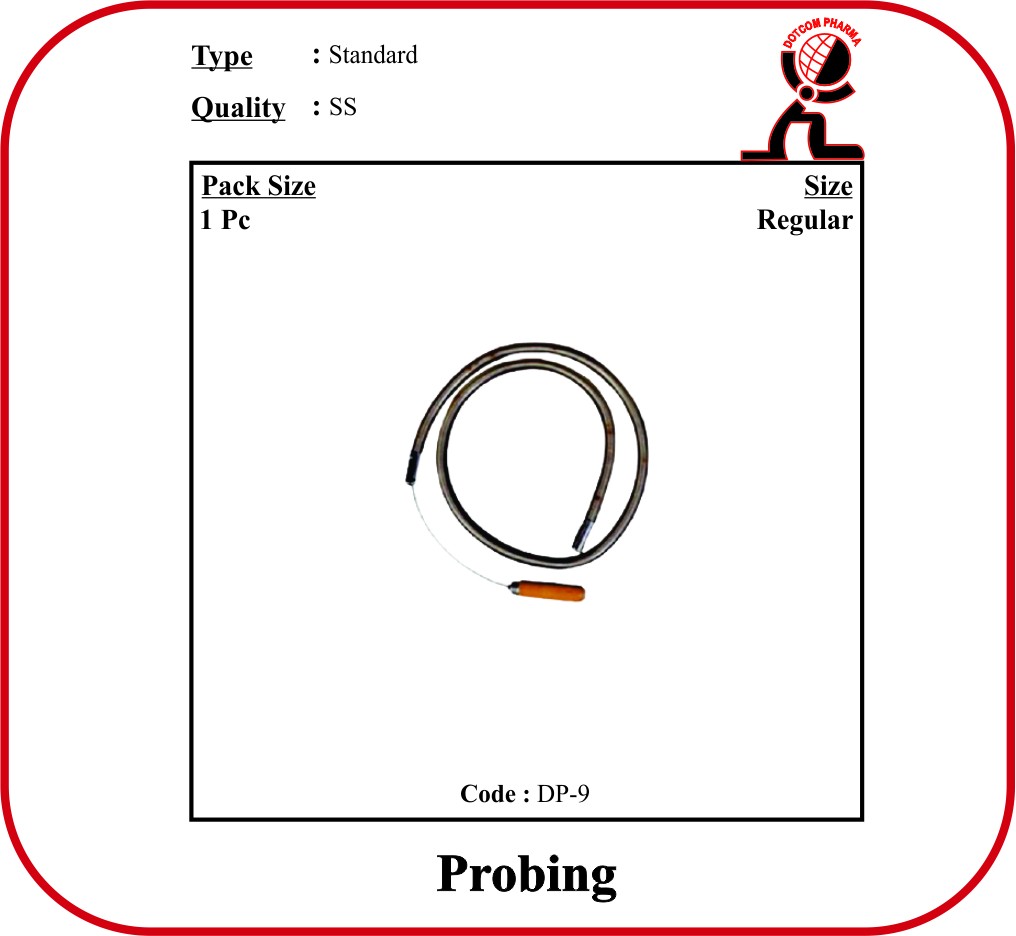
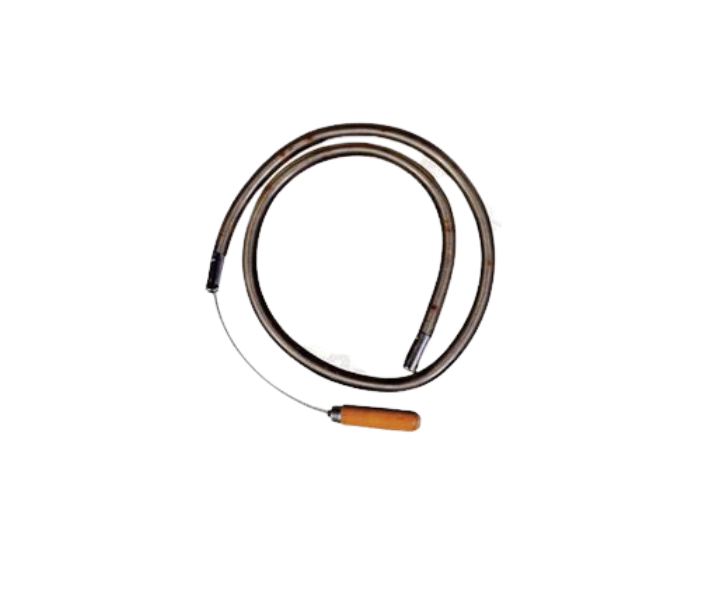
Probang
Drug Name
: NA
Drug Role
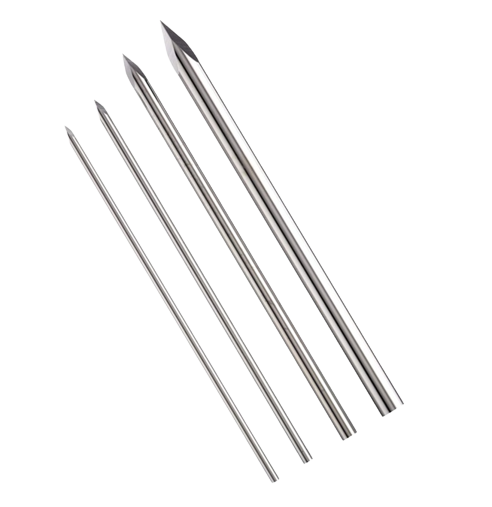
: The Probang Wire is a flexible, durable tool used in veterinary practice for oesophageal and ruminal probing and foreign body removal in ruminants.
NA
No
Ceritifcations:










Please login / register to buy or to get detailed information of the product
SKU:
Stock Available:
Batch / Lot. No:
Shelf life:
Manufacturing Date:
-
Expiry Date:
-
Minimum Pack Size:
Minimum Order Qty:
1
Product Form:
Veterinary instrument
Category:
Veterinary
Group:
N/A
Type:
Veterinary Instrument
Material:
• Material Options: o Aluminium Wire: Lightweight, corrosion-resistant, highly flexible o Stainless Steel Wire (SS 304 / 316): Strong, corrosion and rust resistant, moderately flexible
HSN Code:
9018.39.10
HS Code:
9018.39
Country of Origin:
India
TAX:
5%
Qty per Piece:
Weight Of Each Piece(gm):
Piece Dimensions (L×W×H):
Qty per Buffer Box / Shrink Pack:
Weight of Buffer Box / Shrink Pack:
Buffer Dimensions (L×W×H):
Total Qty per Case:
Total Weight per Case:
Case Dimensions (L×W×H):
Weight / Volume:
Dimensions:
Inhouse product
The Probang Wire is a flexible, durable tool used in veterinary practice for oesophageal and ruminal probing and foreign body removal in ruminants. Available in two material options — Aluminium (lightweight and corrosion-resistant) and Stainless Steel (SS) (strong and highly durable) — it caters to various needs depending on flexibility and strength requirements.
• Material Options:
o Aluminium Wire: Lightweight, corrosion-resistant, highly flexible
o Stainless Steel Wire (SS 304 / 316): Strong, corrosion and rust resistant, moderately flexible
• Length: Typically 60 cm to 120 cm (customizable)
• Diameter: 3 mm to 6 mm
• Surface: Smooth finish to minimize tissue trauma
• Design: Single wire with looped or hooked end for attachment
• Single wire (either Aluminium or Stainless Steel)
• Packaged individually or in sets as per requirement
• Used for oesophageal and ruminal probing in cattle, buffalo, sheep, and goats
• Aids in the removal of foreign bodies and assists passage of stomach tubes
• Suitable for diagnostic and therapeutic procedures in large ruminants
Human Application
• Not Applicable
• Aluminium Wire: Lightweight and easy to manoeuvre
• Stainless Steel Wire: Superior strength and durability
• Smooth surface reduces risk of mucosal injury
• Both materials are reusable with proper sterilization
• Aluminium wire can bend too easily under heavy stress
• Stainless Steel wire is less flexible and heavier
• Requires skilled handling to avoid internal damage
• Always sterilize before and after use
• Use gentle manipulation to avoid trauma
• Inspect wire for bends or damage before each procedure
• Replace if wire integrity is compromised
• HS Code: 9018.39
• HSN Code: 9018.39.10
• Description: Veterinary surgical instruments including probes and catheters
• Aluminium Wire: Chemical disinfection recommended (avoid autoclaving to prevent corrosion)
• Stainless Steel Wire: Autoclave sterilization recommended
• Clean thoroughly after each use to prevent biofilm formation
1. Which material is better for routine probing?
Aluminium is lighter and easier to handle, while Stainless Steel offers better durability and strength for frequent heavy use.
2. Can the wire be bent to fit specific animal sizes?
Yes, both types are flexible but should be bent carefully to avoid weakening or breaking.
3. How should I sterilize each wire type?
Aluminium wire should be chemically disinfected to avoid corrosion; Stainless Steel wire can be autoclaved.
4. Are these wires reusable?
Yes, with proper cleaning and sterilization both wires can be reused multiple times.
5. What length is recommended for different animals?
60–80 cm for smaller ruminants (sheep, goats), 100–120 cm for larger ones (cattle, buffalo).
Secure Transaction
100% secure payment
Top Brand
Trusted quality
Non Return
Due to hygiene