 +91 88281
11034
 Need Help?




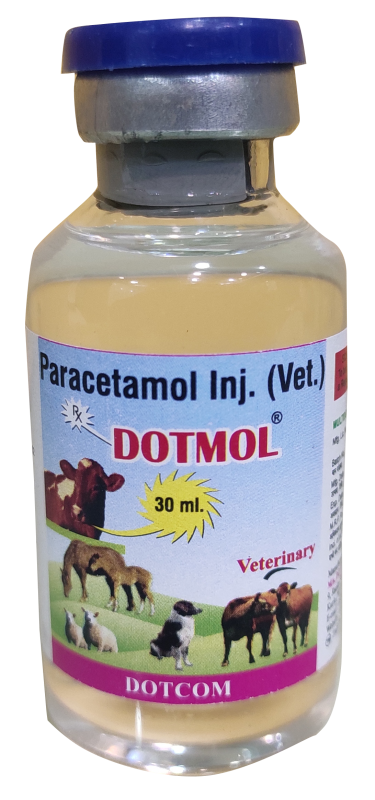
DOTMOL
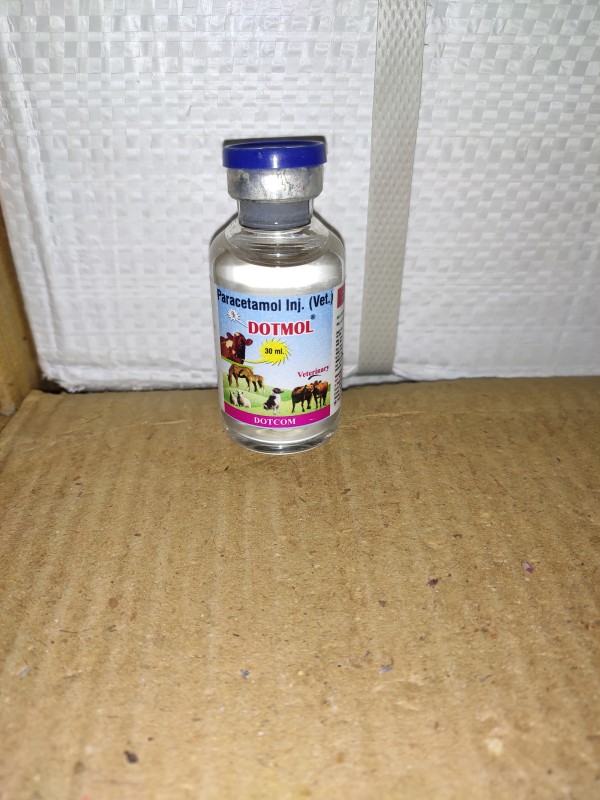
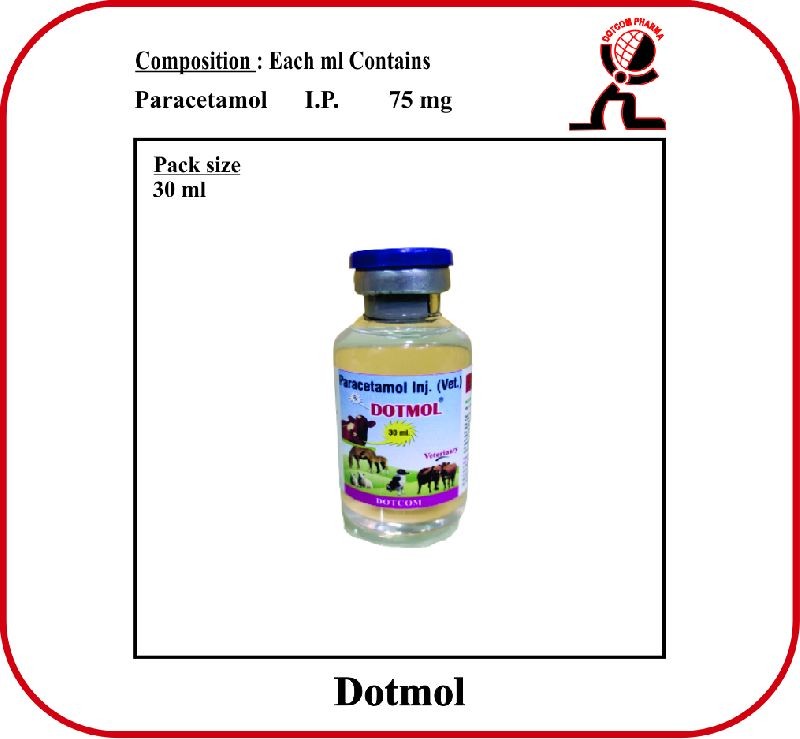
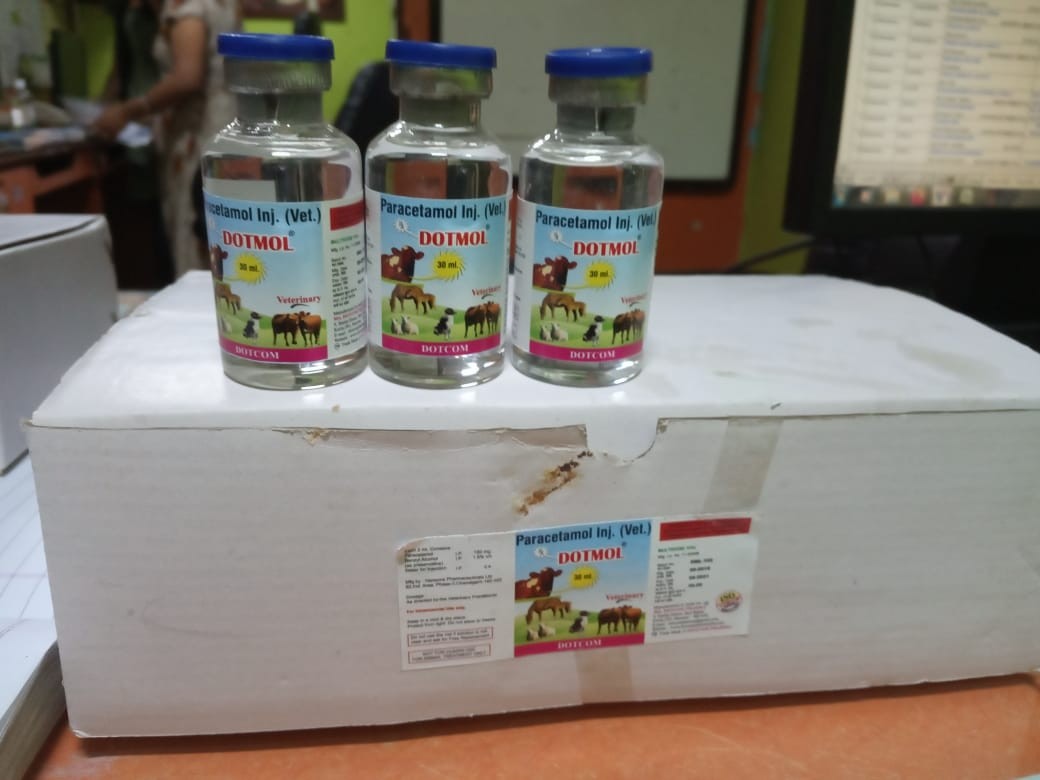
Drug Name : Paracetamol I.P. 75 mg Injection Sterile Injectable Solution
Drug Role : Analgesic . Antipyretic
H
Yes
Price on request Send us an enquiry and our team will share the price.
Certifications:










Please login / register to buy or to get detailed information of the product
SKU:
Stock Available:
Batch / Lot. No:
Shelf life:
Manufacturing Date:
-
Expiry Date:
-
Minimum Pack Size:
Minimum Order Qty:
20
Pharma Categories:
Supportive anti-inflammatory
Product Form:
• Sterile Injectable Solution • Available in amber glass vials: 30 mL
Category:
Liquid Injection
Group:
N/A
Type:
Liquid Injection
Material:
Liquid
Tags
HSN Code:
3004
HS Code:
30049099
Country of Origin:
India
TAX:
5%
Qty per Piece:
Weight Of Each Piece(gm):
Piece Dimensions (L×W×H):
Qty per Buffer Box / Shrink Pack:
Weight of Buffer Box / Shrink Pack:
Buffer Dimensions (L×W×H):
Total Qty per Case:
Total Weight per Case:
Case Dimensions (L×W×H):
Weight / Volume:
Dimensions:
Inhouse product
Paracetamol (Acetaminophen) is a centrally acting analgesic and antipyretic agent, used in veterinary medicine for the relief of fever, pain, and inflammation. It is particularly effective in cases of pyrexia, musculoskeletal discomfort, and supportive therapy during infections. Unlike NSAIDs, Paracetamol has minimal gastrointestinal and renal side effects when used correctly, making it a safer option for sensitive or debilitated animals.
Note: Paracetamol is toxic to cats and must never be used in feline species.
• Formulation: Sterile aqueous solution for injection
• Active ingredient: Paracetamol I.P. 75 mg per mL
• Appearance: Clear, colourless to pale yellow solution
• pH range: 5.5 – 7.0
• Sterility: As per IP standards for injectable products
• Shelf Life: 24 months from manufacturing date under recommended storage
• Paracetamol I.P.: 75 mg
• Benzyl Alcohol I.P.: 1.5% v/v (as preservative)
• Water for Injection: q.s.
• Benzyl Alcohol (Preservative)
• Water for Injection
• pH Adjusting agents (as needed)
• Non-opioid analgesic
• Antipyretic
• Supportive anti-inflammatory
• Fever (pyrexia) due to viral, bacterial, or metabolic causes
• Musculoskeletal pain, sprains, or trauma
• Adjunct therapy in bacterial and respiratory infections
• Supportive care during post-operative recovery
• General inflammation and malaise
To be administered only under veterinary supervision.
Typical dosage guidelines:
• Cattle, Buffaloes, Horses: 10–20 mL per 100 kg body weight, once or twice daily
• Sheep, Goats: 5–10 mL per 50 kg body weight
• Dogs: 1–2 mL per 10 kg body weight
• Cats: Contraindicated – Do Not Use
Frequency: Once or twice daily for up to 3 days or as advised by the veterinarian.
• Intramuscular (IM)
• Intravenous (IV – slow injection)
• Sterile Injectable Solution
• Available in amber glass vials: 30 mL
Recommended for livestock, equines, canines, and other non-feline veterinary species for control of fever and mild to moderate pain.
• Fast relief from fever and discomfort
• Less gastrointestinal risk compared to NSAIDs
• Safe for debilitated animals when used properly
• Can be combined with antibiotics and supportive therapy
• Lower nephrotoxicity risk compared to NSAIDs
• Rare in recommended doses
• Possible liver toxicity at high or repeated overdose
• Pain or irritation at injection site
• Hypotension (rare with rapid IV administration)
• Allergic or hypersensitivity reactions (very rare)
• Schedule H veterinary pharmaceutical
• Prescription-only; use under licensed veterinary supervision
• Do not exceed recommended dose
• Avoid in animals with hepatic impairment
• Not for use in cats – causes life-threatening toxicity
• Use with caution in dehydrated or severely ill animals
• Avoid concurrent use with other hepatotoxic drugs
• Meat: 3 days
• Milk: 48 hours (Check with local regulatory authorities for region-specific guidelines)
• Store below 25°C in a cool, dry place
• Protect from light and freezing
• Keep the vial tightly closed after opening
• Use aseptic technique for withdrawal and administration
• Do not use if the solution appears cloudy or contains particles
• Discard any unused solution after 28 days of opening
• Dispose of empty vials as per veterinary pharmaceutical waste norms
• HS Code: 30049099
• HSN Code: 3004 (Medicaments for therapeutic or prophylactic use, not in measured doses
• Shake well before use
• Monitor animals for hepatic signs if prolonged use is required
• Administer IV injections slowly to avoid hypotension
• Never use in combination with other paracetamol-containing products
• Strictly for veterinary use only
• Not formulated for or approved for human use
Q1: What does Paracetamol do in animals?
It reduces fever and mild to moderate pain, especially in infections or post-operative recovery.
Q2: Can it be given to cats?
No. Paracetamol is toxic to cats and must never be administered to felines.
Q3: How fast does it work?
Effects are usually seen within 30–60 minutes of administration.
Q4: Is Paracetamol safer than NSAIDs?
Yes, it is often considered safer for animals with gastrointestinal or renal sensitivity, though overdosing can cause liver toxicity.
Q5: Can it be used along with antibiotics?
Yes. It is commonly used as a supportive therapy along with antibiotics during infections.
Q6: Is there any withdrawal period for food-producing animals?
Yes, 3 days for meat and 48 hours for milk. Always confirm with your local authority.
Q7: What happens in case of overdose?
Overdose may lead to hepatic damage. Immediate veterinary intervention is required.
Secure Transaction
100% secure payment
Top Brand
Trusted quality
Non Return
Due to hygiene