 +91 88281
11034
 Need Help?




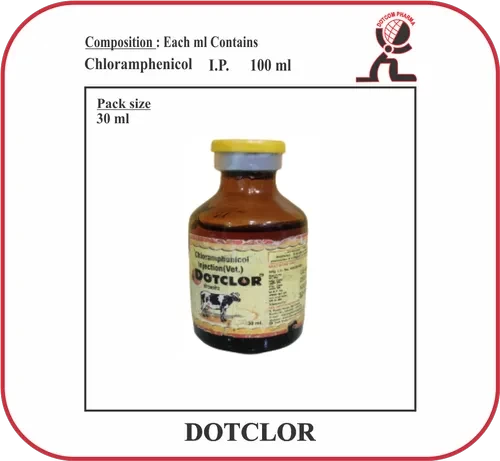
DOTCLOR
Drug Name : Chloramphenicol I.P. 100 mg Injection Sterile Injectable Antibacterial
Drug Role : Antibiotic . Antibacterial
H
Yes
Price on request Send us an enquiry and our team will share the price.
Certifications:










Please login / register to buy or to get detailed information of the product
SKU:
Stock Available:
Batch / Lot. No:
Shelf life:
Manufacturing Date:
-
Expiry Date:
-
Minimum Pack Size:
Minimum Order Qty:
20
Pharma Categories:
• Broad-spectrum antibiotic • Bacteriostatic agent
Product Form:
• Sterile injectable solution • Vials of 30 mL
Category:
Liquid Injection
Group:
N/A
Type:
Liquid Injection
Material:
Injection
Tags
HSN Code:
3004
HS Code:
3004
Country of Origin:
India
TAX:
5%
Qty per Piece:
Weight Of Each Piece(gm):
Piece Dimensions (L×W×H):
Qty per Buffer Box / Shrink Pack:
Weight of Buffer Box / Shrink Pack:
Buffer Dimensions (L×W×H):
Total Qty per Case:
Total Weight per Case:
Case Dimensions (L×W×H):
Weight / Volume:
Dimensions:
Inhouse product
Chloramphenicol is a broad-spectrum antibiotic with potent bacteriostatic activity. It works by inhibiting bacterial protein synthesis at the 50S ribosomal subunit, effective against a wide range of Gram-positive and Gram-negative bacteria, including anaerobes. It is especially useful in veterinary medicine where other antibiotics have failed or in mixed infections.
Due to safety concerns in humans, this product is strictly intended for veterinary use and is banned in food-producing animals in many regions.
• Formulation: Sterile aqueous solution for injection
• Active Ingredient: Chloramphenicol I.P. 100 mg per mL
• Appearance: Clear, colourless to pale yellow solution
• pH Range: 5.5 – 7.5
• Sterility: Complies with pharmacopeial injectable standards
• Shelf Life: Typically 2 years when stored properly
Each 1 mL contains:
• Chloramphenicol I.P.: 100 mg
• Excipients:
o Water for Injection
o Buffering agents (as required)
o Stabilizers and preservatives (as per formulation)
• Water for Injection
• Solubilizing/stabilizing agents (e.g., polyethylene glycol, alcohol-based solvents)
• Preservatives (e.g., benzyl alcohol)
• pH adjusters (e.g., sodium hydroxide/hydrochloric acid)
• Broad-spectrum antibiotic
• Bacteriostatic agent
• Treatment of bacterial infections caused by Chloramphenicol-sensitive organisms
• Respiratory tract infections
• Gastrointestinal infections
• Septicaemia
• Metritis, mastitis
• Wound infections
• Infectious diseases of unknown origin or mixed ethology
Dosage must be based on body weight, severity of infection, and species.
• Cattle, Horses, Buffaloes: 10–20 mg/kg body weight, IM or slow IV, once or twice daily
• Sheep, Goats: 10–20 mg/kg
• Dogs, Cats: 15–25 mg/kg
• Duration: Typically 3–5 days or as prescribed by the veterinarian
Note: Intramuscular route preferred. IV must be slow to avoid adverse effects.
• Intramuscular (IM)
• Intravenous (slow IV)
• Sterile injectable solution
• Vials of 30 mL
Used in a wide range of veterinary species for the treatment of infections caused by susceptible bacterial strains, especially when other antibiotics are ineffective or contraindicated.
• Broad-spectrum activity (including anaerobes)
• Effective even in severe or systemic infections
• Rapid absorption and distribution
• Useful when culture/sensitivity is pending
• Bone marrow suppression (dose-dependent and idiosyncratic)
• Gastrointestinal upset (especially in small animals)
• Hypersensitivity reactions (rare)
• Pain at injection site
• Potential aplastic anaemia in humans (reason for restriction in food animals)
• Schedule H veterinary prescription drug
• Use only under licensed veterinary professional supervision
• Strictly prohibited in food-producing animals due to risk of aplastic anaemia in humans
• Avoid in animals with hepatic dysfunction
• Use with caution in neonates and pregnant animals
• Use only after sensitivity testing where possible
• Wear gloves during handling to avoid accidental exposure
NOT TO BE USED IN FOOD-PRODUCING ANIMALS
In jurisdictions where allowed for certain non-food species:
• Meat: Minimum 28 days (if allowed)
• Milk: Not recommended for lactating animals
• Store at 15°C to 25°C
• Protect from light and freezing
• Use contents within specified period after opening
• Use sterile syringe and needle
• Do not use if solution is cloudy or contains particulate matter
• Handle with gloves and avoid inhalation or skin contact
• Dispose of unused product and empty containers as per hazardous pharmaceutical waste protocols
• HS Code: 30049099
• HSN Code: 3004 – Medicaments for therapeutic or prophylactic uses
• Not to be used in animals intended for human consumption
• Use under veterinary prescription only
• Do not combine with bactericidal antibiotics (e.g., penicillin’s, cephalosporins) due to antagonism
• Regular monitoring is advised during prolonged therapy
• Strictly for veterinary use only
• Human use is banned or restricted due to severe toxicological risks (e.g., aplastic anaemia)
Q1: What is Chloramphenicol used for in veterinary medicine?
It is used to treat a wide range of bacterial infections in animals, especially when other antibiotics fail or are contraindicated.
Q2: Can Chloramphenicol be used in cattle or poultry?
No. It is banned in food-producing animals due to the risk of fatal aplastic anaemia in humans from residue exposure.
Q3: What is the mode of action?
It inhibits bacterial protein synthesis by binding to the 50S ribosomal subunit.
Q4: What are the side effects in animals?
Bone marrow suppression, gastrointestinal upset, or allergic reactions.
Q5: Can it be used with other antibiotics?
Avoid combining with bactericidal antibiotics due to antagonistic effects.
Q6: Is withdrawal period applicable?
This drug is not approved for food-producing animals, so it must not be used in them. In non-food animals, withdrawal may vary per region.
Q7: Is it safe for pregnant or young animals?
Use only under veterinary supervision with caution.
Secure Transaction
100% secure payment
Top Brand
Trusted quality
Non Return
Due to hygiene