 +91 88281
11034
+91 88281
11034
 Need Help?


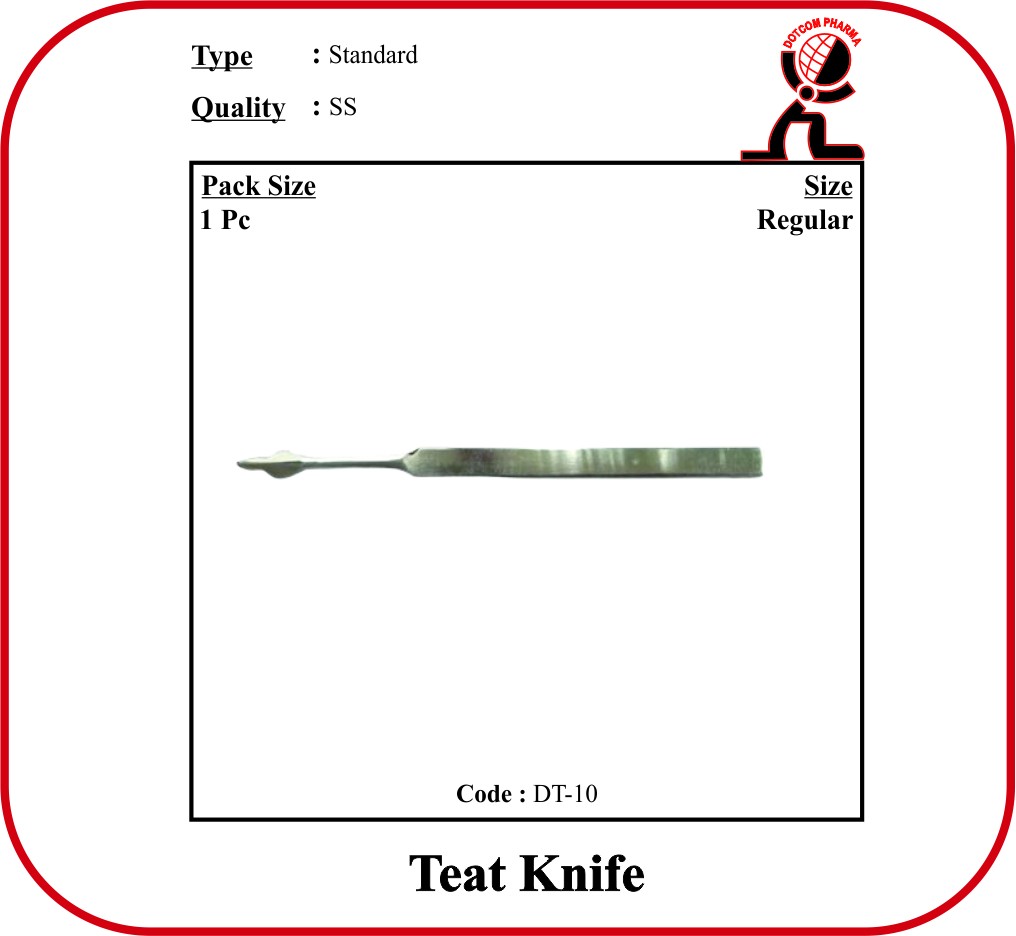
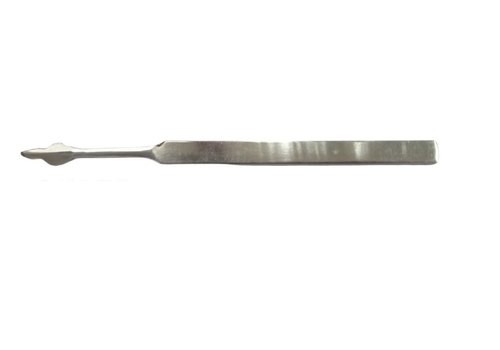
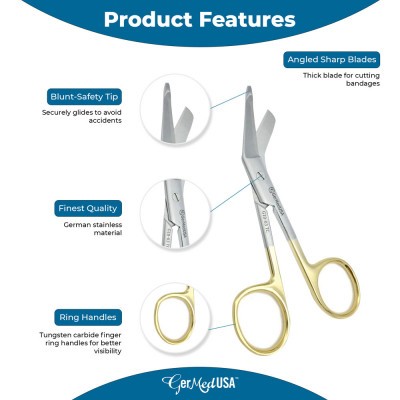
Teat Knife
Drug Name
: NA
Drug Role
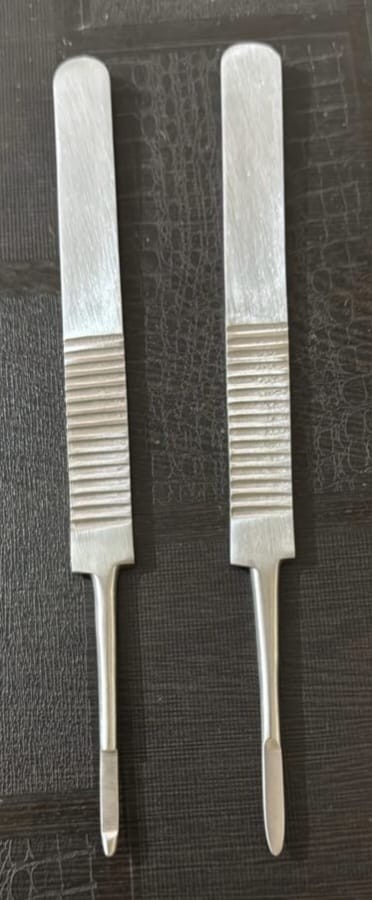
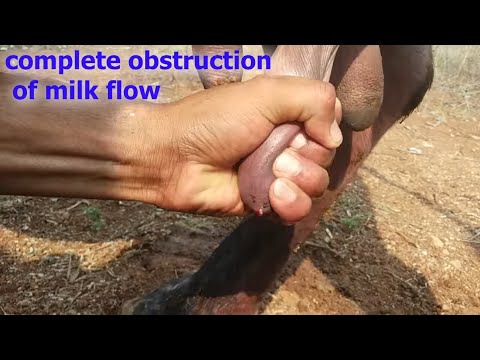
: The Teat Knife is a specialized veterinary surgical instrument used for treating teat obstructions, scarring, or milk canal blockages in dairy animals. It helps in removing fibrous tissues or blockages within the teat canal to restore normal milk flow.
NA
No
Ceritifcations:










Please login / register to buy or to get detailed information of the product
SKU:
Stock Available:
Batch / Lot. No:
Shelf life:
Manufacturing Date:
-
Expiry Date:
-
Minimum Pack Size:
Minimum Order Qty:
1
Pharma Categories:
• Large Animal Surgical Instrument
Product Form:
• Handheld blade-based instrument • Different tip designs based on the type
Category:
Veterinary
Group:
N/A
Type:
Veterinary Instrument
Material:
• High-quality surgical stainless steel • Corrosion-resistant • Fully autoclavable and reusable
HSN Code:
9018
HS Code:
9018.90
Country of Origin:
Indian
TAX:
5%
Qty per Piece:
Weight Of Each Piece(gm):
Piece Dimensions (L×W×H):
Qty per Buffer Box / Shrink Pack:
Weight of Buffer Box / Shrink Pack:
Buffer Dimensions (L×W×H):
Total Qty per Case:
Total Weight per Case:
Case Dimensions (L×W×H):
Weight / Volume:
Dimensions:
Inhouse product
The Teat Knife is a specialized veterinary surgical instrument used for treating teat obstructions, scarring, or milk canal blockages in dairy animals. It helps in removing fibrous tissues or blockages within the teat canal to restore normal milk flow. Available in Sharp, Blunt, and HUG's Type, each variant serves different levels of intervention depending on the condition.
• Types: Sharp – For cutting hardened tissues or severe strictures
Blunt – For milder dilation or safe tissue removal
HUG’s Type – Specialized design with guarded blade for controlled, deep incisions
• Length: Approx. 4" – 5.5"
• Handle: Ribbed or knurled for better grip
• High-quality surgical stainless steel
• Corrosion-resistant
• Fully autoclavable and reusable
• Large Animal Surgical Instrument
• Handheld blade-based instrument
• Different tip designs based on the type
• Used to treat:
o Internal teat obstructions
o Scar tissue buildup
o Teat end strictures
• Improves milk let-down by clearing the passage
• Performed under veterinary supervision with proper restraint
• Precision cutting or clearing of obstructions
• Different types allow for selective treatment
• Durable and easy to sterilize
• HUG’s Type offers safety with effectiveness
• Requires skilled handling
• Risk of internal injury if used improperly
• Not suitable for superficial teat problems
• Always use under sterile conditions
• Restrain animal properly to avoid sudden movement
• Blades must be sharp and clean
• Use the appropriate type for the severity of blockage
• Autoclave-safe
• Can also be sterilized using cold chemical methods
• Store in protective sheath or sterile pouch
Veterinary Application
• Primarily used in cows and buffaloes
• Helps restore lactation and relieve udder pressure
Human Application
• Strictly veterinary; not for human surgical use
• HS Code: 9018.90
• HSN Code: 9018
Q: What are the main differences between sharp, blunt, and HUG's type teat knives?
A: Sharp is used for cutting; blunt is safer for minor blockages; HUG’s is guarded for deeper yet controlled incisions.
Q: Can this be used by farmers directly?
A: It is highly recommended that only trained vets use this tool to avoid injury to the animal.
Q: How is the instrument sterilized?
A: Autoclaving or chemical sterilization methods are recommended.
Q: Is it reusable?
A: Yes, with proper cleaning and sterilization, it is fully reusable.
Q: Is the HUG's type safer than the sharp one?
A: Yes, it is designed with a protective structure to minimize risk during deep tissue use.
Secure Transaction
100% secure payment
Top Brand
Trusted quality
Non Return
Due to hygiene