 +91 88281
11034
+91 88281
11034
 Need Help?




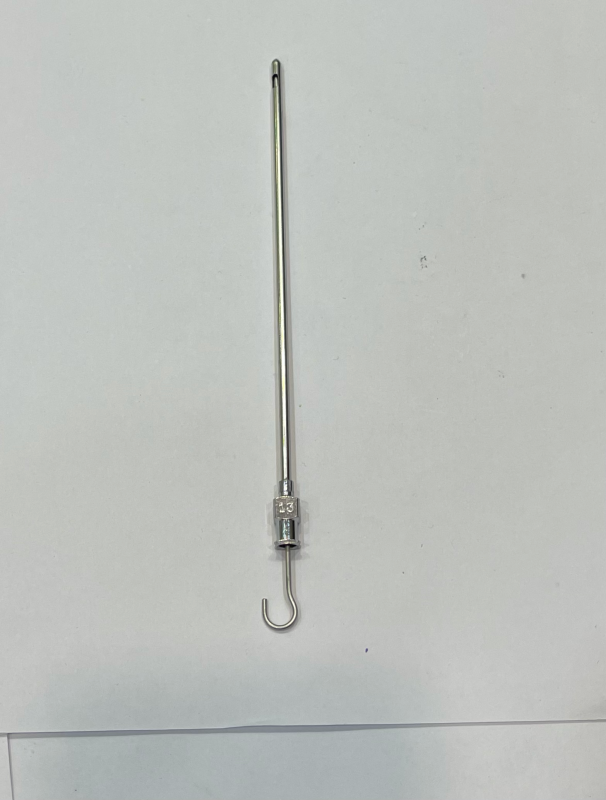
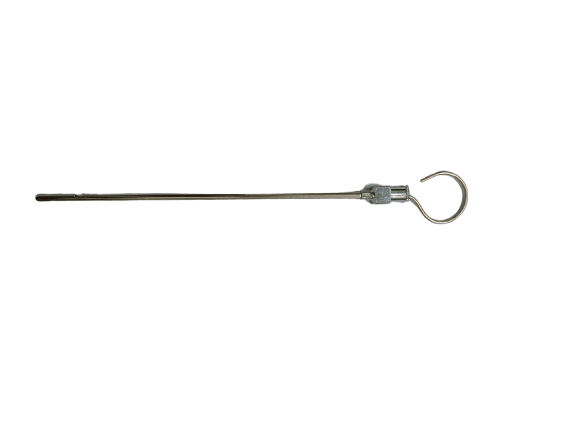
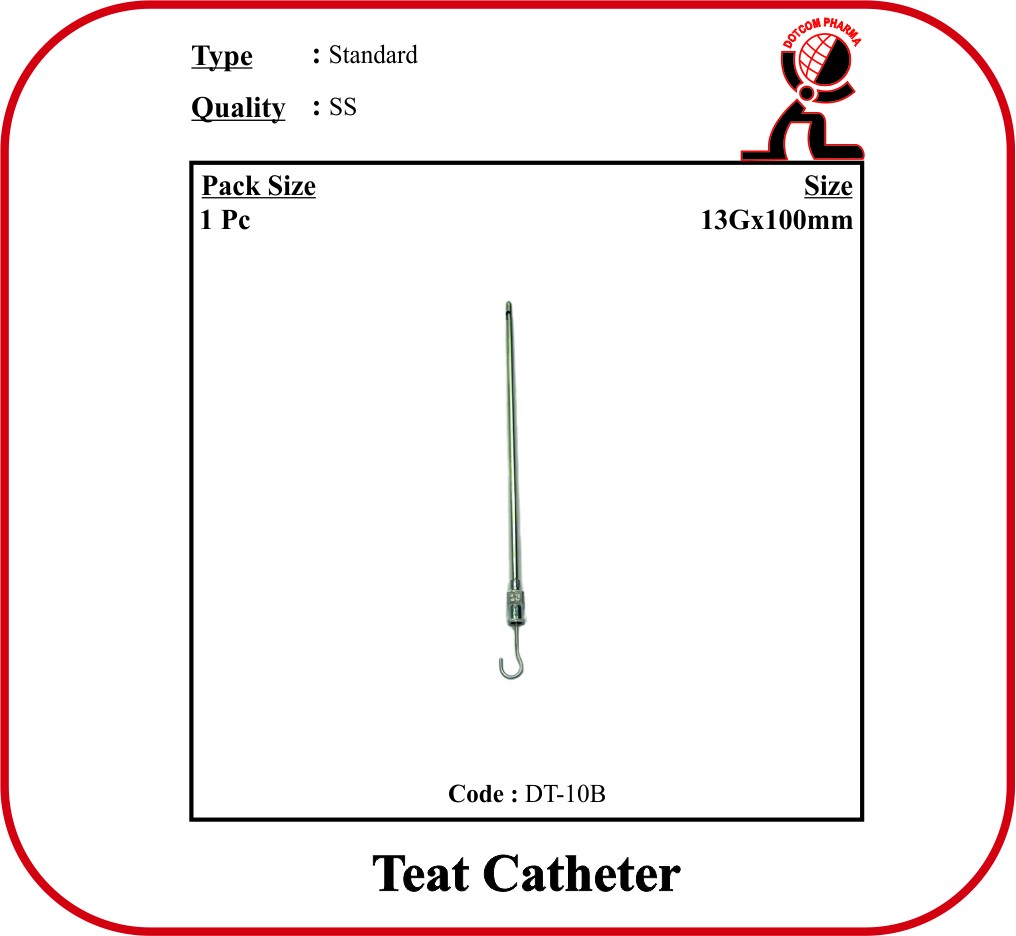
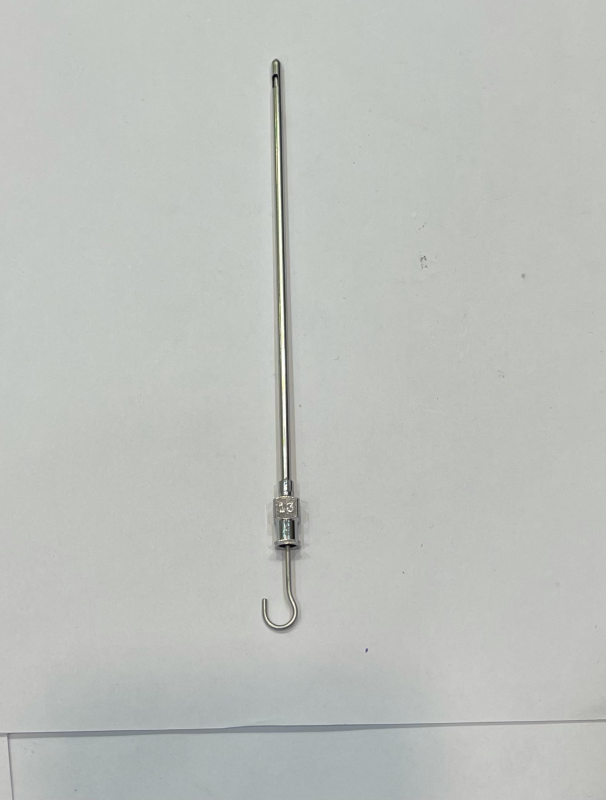
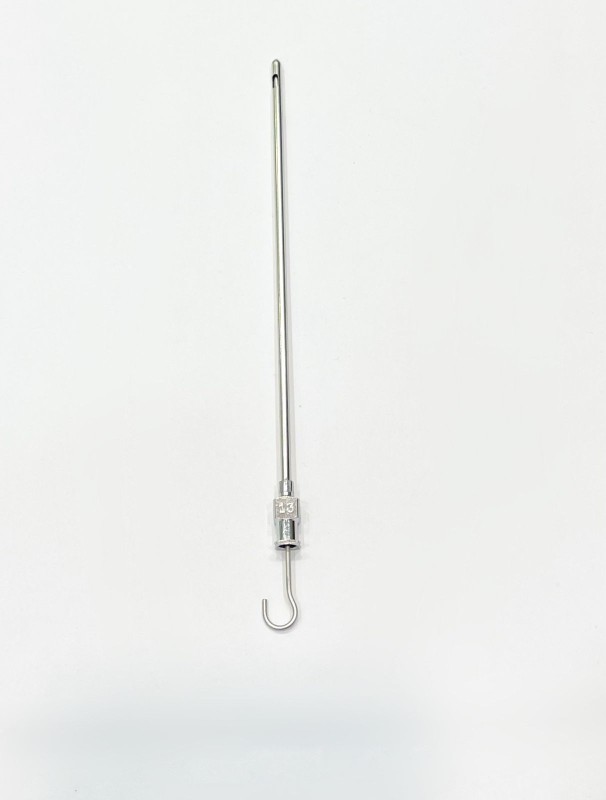
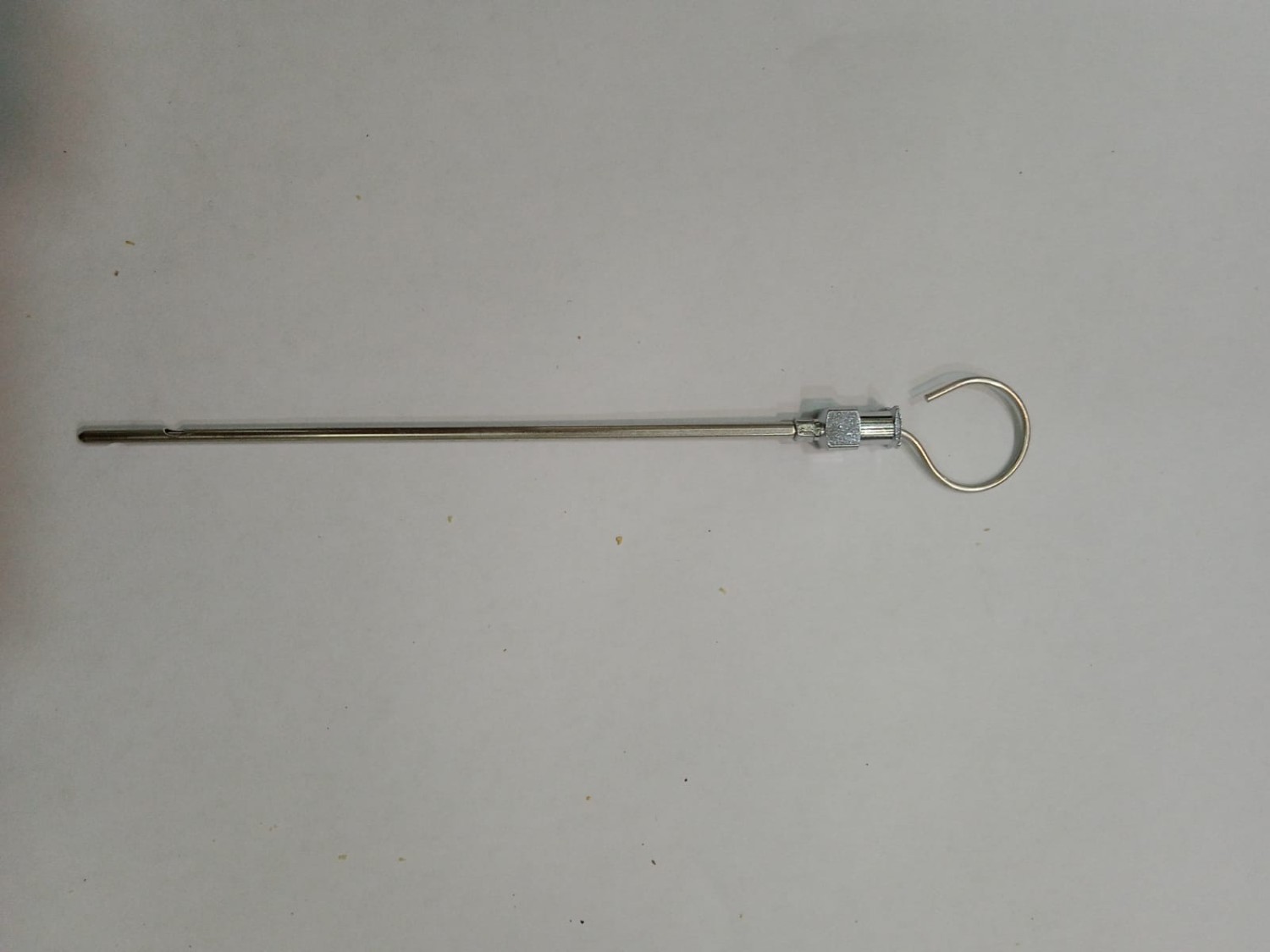
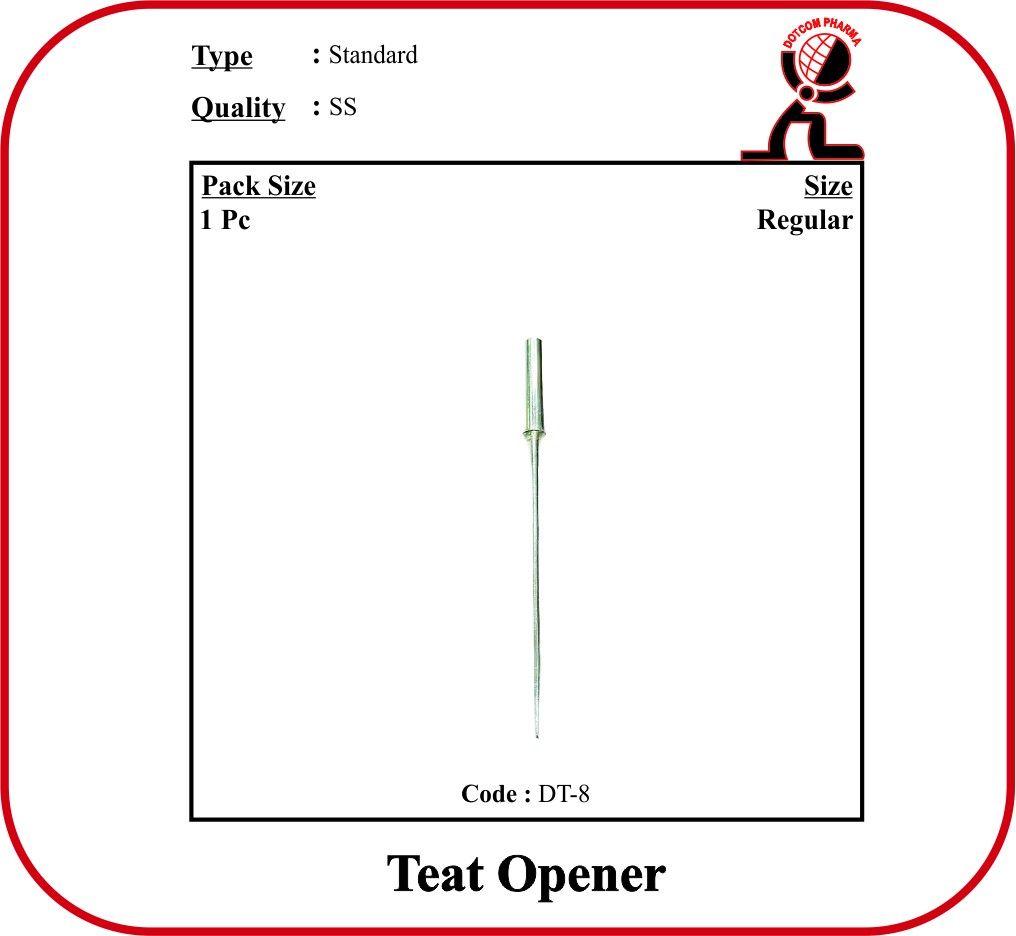
Teat Catheter
Drug Name
: NA
Drug Role
: A Teat Catheter is designed to be inserted into the teat canal of dairy animals to assist with drainage, medication administration, or maintaining patency of the teat canal. It is primarily used in veterinary medicine for treating conditions like mastitis
NA
No
Ceritifcations:










Please login / register to buy or to get detailed information of the product
SKU:
Stock Available:
Batch / Lot. No:
Shelf life:
Manufacturing Date:
-
Expiry Date:
-
Minimum Pack Size:
Minimum Order Qty:
1
Pharma Categories:
• Category: Veterinary Medical Devices / Udder Care Products
Product Form:
• Product Form: Flexible or semi-rigid hollow tube, sterile packaging
Category:
Veterinary
Group:
N/A
Type:
• Types: o Silicone flexible catheters (soft, low irritation) o Latex catheters (elastic, slightly firmer) o Plastic disposable catheters (rigid or semi-rigid)
Material:
• Material: Medical-grade silicone, latex, or plastic (polyurethane/polyethylene)
HSN Code:
9018.90.29
HS Code:
9018
Country of Origin:
Indian
TAX:
5%
Qty per Piece:
Weight Of Each Piece(gm):
Piece Dimensions (L×W×H):
Qty per Buffer Box / Shrink Pack:
Weight of Buffer Box / Shrink Pack:
Buffer Dimensions (L×W×H):
Total Qty per Case:
Total Weight per Case:
Case Dimensions (L×W×H):
Weight / Volume:
Dimensions:
Inhouse product
A Teat Catheter is a flexible or semi-rigid tube designed to be inserted into the teat canal of dairy animals to assist with drainage, medication administration, or maintaining patency of the teat canal. It is primarily used in veterinary medicine for treating conditions like mastitis, teat injuries, or obstructions that prevent normal milk flow.Teat catheters come in various materials, including silicone, latex, and medical-grade plastics, designed to minimize irritation while allowing safe and effective passage of fluids.
• Material: Medical-grade silicone, latex, or plastic (polyurethane/polyethylene)
• Length: Usually ranges between 60 mm to 150 mm depending on size and animal species
• Diameter: Typically 2 mm to 6 mm (based on species and teat size)
• Design: Hollow tube with rounded or tapered tip for gentle insertion
• Sterility: Supplied sterile or non-sterile depending on packaging
• Reusability: Usually single-use (disposable) but some reusable options exist with sterilization
• Sizes: Small, medium, large sizes to fit different species and teat diameters
• Shapes: Straight or slightly curved to fit anatomical variations
• Types:
o Silicone flexible catheters (soft, low irritation)
o Latex catheters (elastic, slightly firmer)
o Plastic disposable catheters (rigid or semi-rigid)
• Category: Veterinary Medical Devices / Udder Care Products
• Product Form: Flexible or semi-rigid hollow tube, sterile packaging
• Usage:
o Insertion into teat canal to maintain opening and assist drainage
o Delivery of medications directly into teat canal
o Treatment of mastitis, infections, and obstructions
o Used in dairy farms, veterinary clinics, and udder health management
• Soft and flexible materials reduce tissue irritation
• Enables effective drainage and medication delivery
• Disposable options ensure sterility and reduce infection risk
• Available in various sizes to suit different animals
• Helps maintain teat canal patency during treatment
• Disposable catheters create recurring costs
• Improper insertion may cause tissue damage or discomfort
• Some materials may cause allergic reactions in sensitive animals
• Limited reusability for plastic or latex types
• Select appropriate size and material based on species and teat anatomy
• Use sterile technique during insertion to prevent infections
• Avoid prolonged catheter placement beyond veterinary advice
• Monitor teat and animal for signs of irritation or infection
• Dispose of single-use catheters properly
• Handling:
o Use sterile gloves and aseptic technique
o Inspect catheter for defects before use
o Avoid bending or kinking during insertion
• Sterilization:
o Most catheters are single-use and pre-sterilized
o Reusable types require autoclaving or chemical sterilization as per manufacturer instructions
o Store in sterile packaging until use
HS Code (International): 9018
HSN Code (India): 9018.90.29
Surgical and veterinary instruments category
• Human Use: Rarely used; primarily veterinary device
• Veterinary Use:
o Common in dairy cattle, buffaloes, and goats
o Used in treatment and management of mastitis, teat injuries, and milk flow obstruction
Q1: Can teat catheters be reused?
A: Most are designed for single-use to maintain sterility, though some reusable options exist with proper sterilization.
Q2: How long can a teat catheter remain inserted?
A: Duration should be as recommended by a veterinarian, generally limited to avoid irritation or infection.
Q3: What materials are teat catheters made from?
A: Silicone, latex, and medical-grade plastics like polyurethane or polyethylene.
Q4: How do I choose the right size catheter?
A: Selection depends on the animal species and teat canal size; veterinary advice is recommended.
Secure Transaction
100% secure payment
Top Brand
Trusted quality
Non Return
Due to hygiene