 +91 88281
11034
+91 88281
11034
 Need Help?




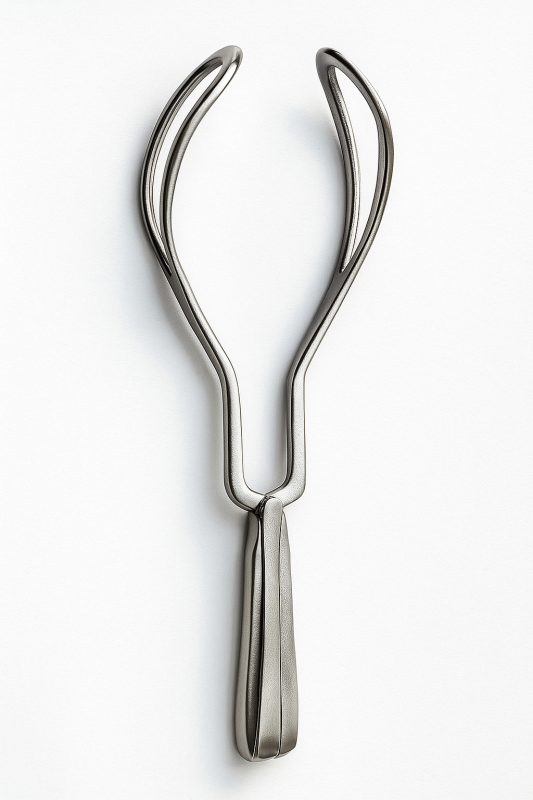
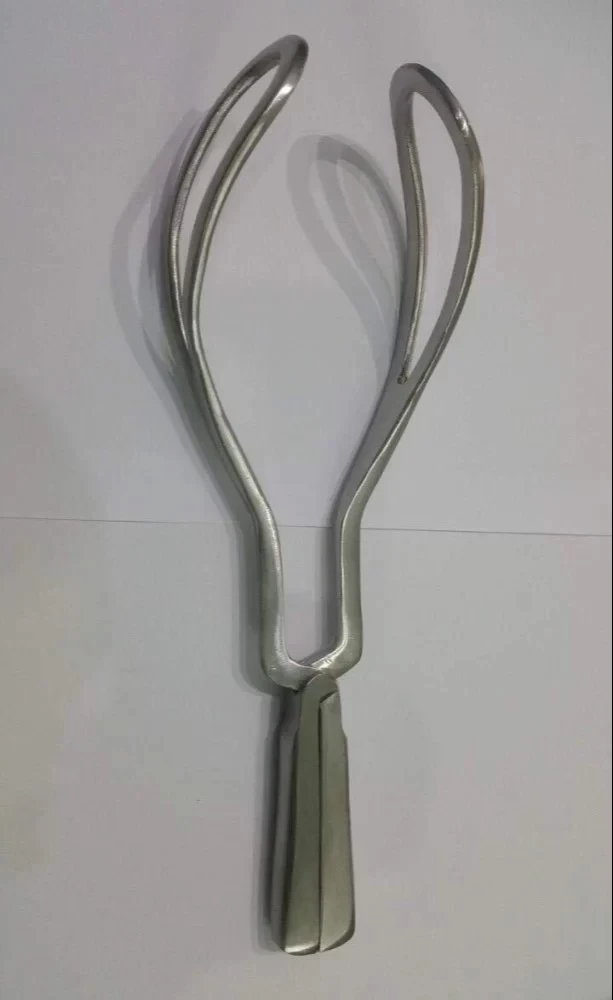
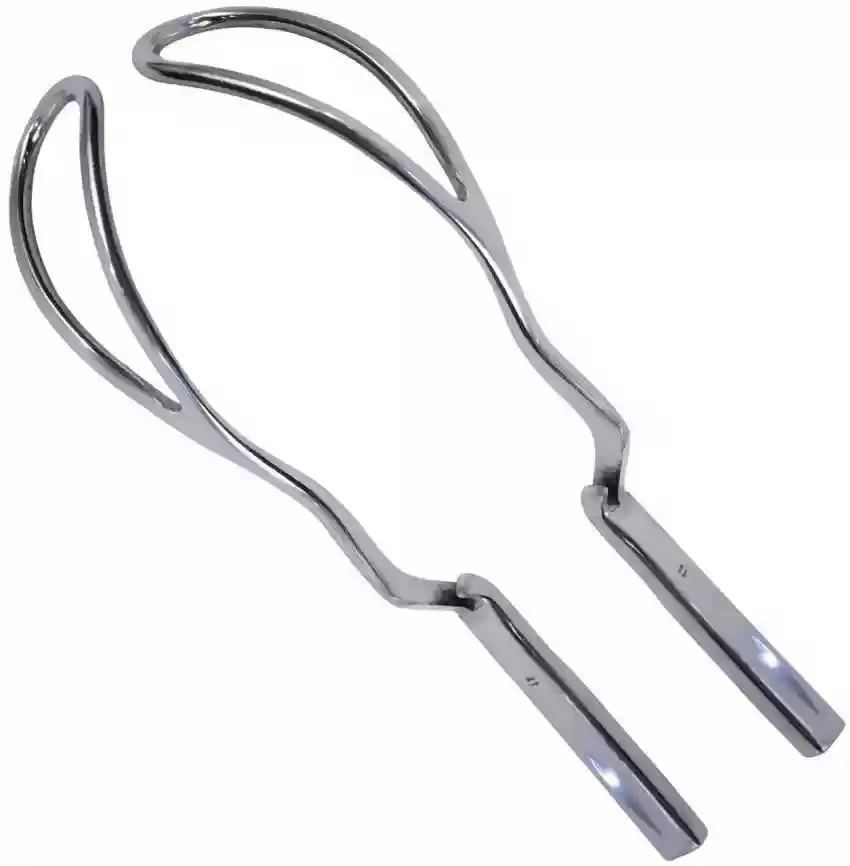

Delivery Forceps
Drug Name
: NA
Drug Role
: Obstetrical Procedures
NA
No
Ceritifcations:










Please login / register to buy or to get detailed information of the product
SKU:
Stock Available:
Batch / Lot. No:
Shelf life:
Manufacturing Date:
-
Expiry Date:
-
Minimum Pack Size:
Minimum Order Qty:
1
Pharma Categories:
Obstetrical & Gynaecological Instruments
Product Form:
Forceps
Category:
Instruments
Group:
N/A
Type:
Obstetrical Surgical Instrument
Material:
SS
Tags
HSN Code:
9018.31.90
HS Code:
9018.31
Country of Origin:
India
TAX:
5%
Qty per Piece:
Weight Of Each Piece(gm):
Piece Dimensions (L×W×H):
Qty per Buffer Box / Shrink Pack:
Weight of Buffer Box / Shrink Pack:
Buffer Dimensions (L×W×H):
Total Qty per Case:
Total Weight per Case:
Case Dimensions (L×W×H):
Weight / Volume:
Dimensions:
Inhouse product
Delivery Forceps are specialized surgical instruments used in obstetrics and veterinary medicine for assisting with the delivery of a baby (or animal) during labour. These forceps help the clinician grasp and gently guide the baby through the birth canal when the natural delivery process is difficult or stalled. Available in various shapes and sizes to accommodate different species, delivery forceps provide a controlled, safe method for aiding delivery.
• Material: Stainless steel, high-quality and corrosion-resistant
• Size: Available in various sizes, typically ranging from 12" to 18"
• Shape: Curved or straight handles, with a slight curve in the blades for optimal positioning
• Grip: Smooth or serrated grip depending on model
• Finish: Polished or matte finish
• Tip Design: Blunt tips for gentle grasping without injuring the baby or tissues
• Handle: Ergonomically designed for secure grip during the procedure
• Used to assist with the delivery of babies during difficult or obstructed labour
• Helps in the gentle extraction of the fetus when necessary, without causing injury
• Commonly used in both human obstetrics and veterinary animal delivery
• Ideal for use when forceps or manual assistance is required due to abnormal positioning or prolonged labour
• Safe and Controlled: Reduces the risk of injury to both the mother and the baby during delivery
• Efficient: Allows for controlled force in difficult deliveries, reducing the need for caesarean sections
• Versatile: Available in different sizes for human and veterinary use (e.g., cattle, horses, dogs)
• Ergonomic: Handle design reduces fatigue during prolonged procedures
• Durable: High-quality stainless steel ensures a long-lasting instrument
• Requires Expertise: Misuse can cause injury to the mother or baby, so only trained professionals should use the forceps
• Limited Use: Not recommended for all types of labor, typically only used for assisted deliveries
• Risk of Trauma: If used improperly, forceps can lead to trauma or injury, requiring a skilled hand
• Always ensure proper sterilization before use
• Use with caution and under proper guidance, especially during difficult deliveries
• Check the forceps for any damage or corrosion before each use
• Do not apply excessive force during use to avoid tissue damage
• Ensure that the forceps are positioned correctly to avoid injury to the mother or baby
• Gently insert the forceps into the birth canal when assisting in the delivery
• Once in place, gently apply traction while ensuring the fetus remains aligned with the birth canal
• After use, clean and sterilize thoroughly before storing • Store in a cool, dry place to maintain integrity
• Sterilize the forceps using an autoclave or appropriate disinfectant for surgical instruments
• Ensure that the forceps are completely dry after sterilization to prevent rust or corrosion
• Check for any signs of wear or damage before each use
• HSN Code: 9018.31
• HS Code: 9018.31.90 Surgical forceps for obstetric and veterinary use
Commonly used in human obstetrics to assist with difficult deliveries or fetal extraction when natural birth isn’t possible
Used in veterinary medicine to assist with the delivery of puppies, calves, lambs, and other animals Crucial for animal farms, veterinary clinics, and emergency deliveries
1. When should delivery forceps be used?
Delivery forceps are used when the baby is in a difficult position, when the labour is not progressing, or when additional assistance is needed to help the baby pass through the birth canal safely.
2. How do I know when to use delivery forceps?
Only trained professionals should assess whether forceps are necessary, as misuse can cause injury to both the mother and baby.
3. Are delivery forceps safe to use?
Yes, when used correctly by a trained professional, delivery forceps are safe and can assist in difficult births without causing harm to the mother or baby.
4. Can delivery forceps be used for all types of labour?
No, forceps are typically used for assisted vaginal deliveries when necessary. They are not suitable for all birth scenarios, particularly when a caesarean section is required.
5. How do I sterilize delivery forceps?
Sterilize delivery forceps using an autoclave or appropriate chemical disinfectants for surgical instruments to ensure they are safe for reuse.
Secure Transaction
100% secure payment
Top Brand
Trusted quality
Non Return
Due to hygiene