 +91 88281
11034
+91 88281
11034
 Need Help?



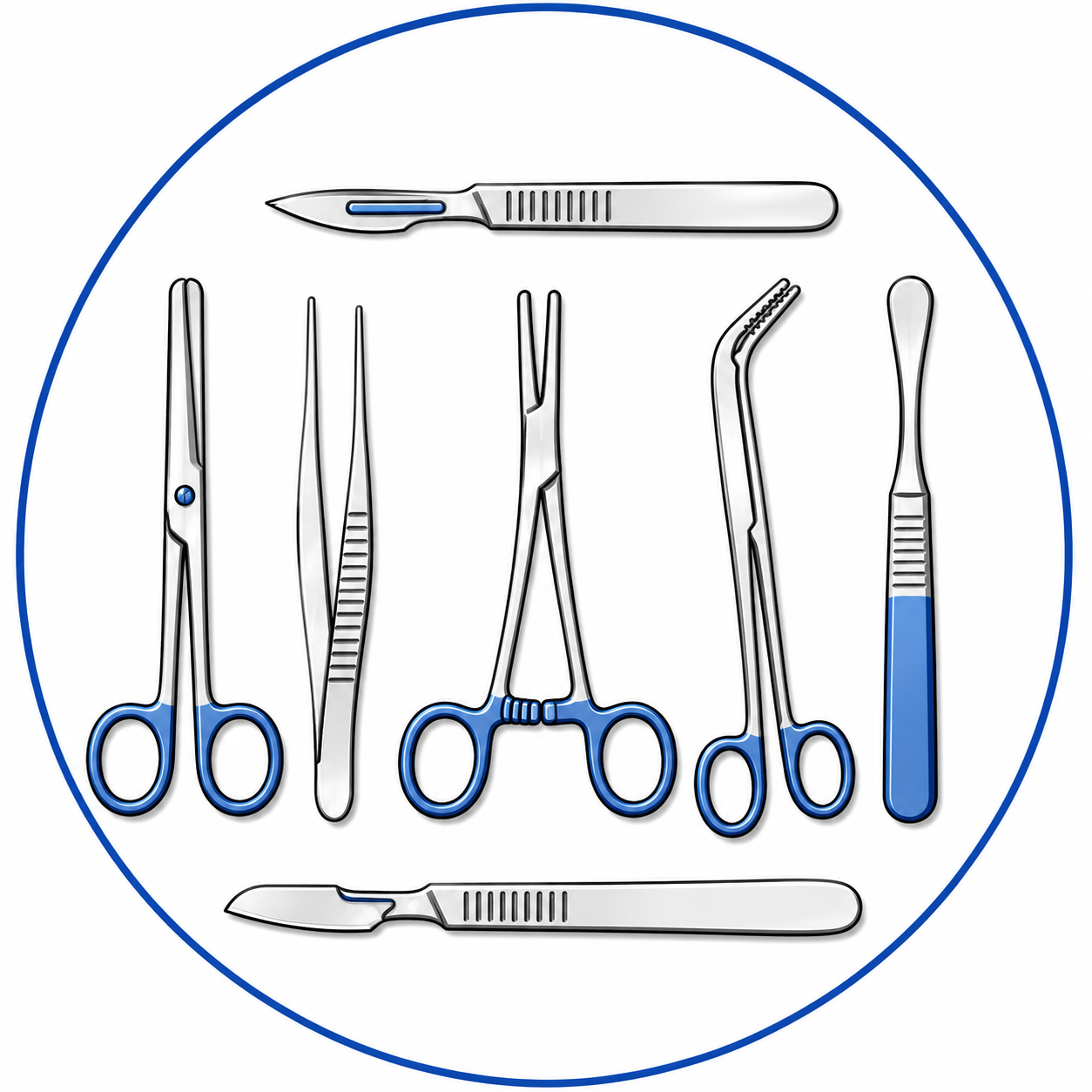
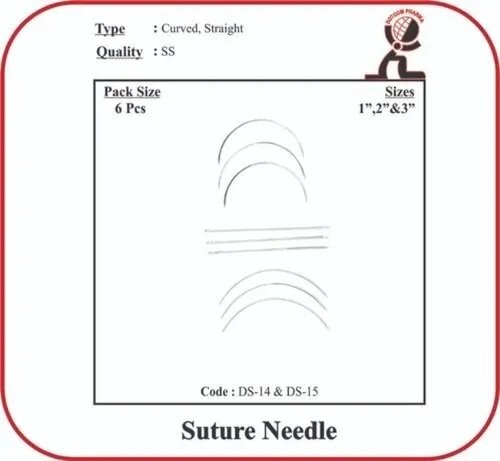
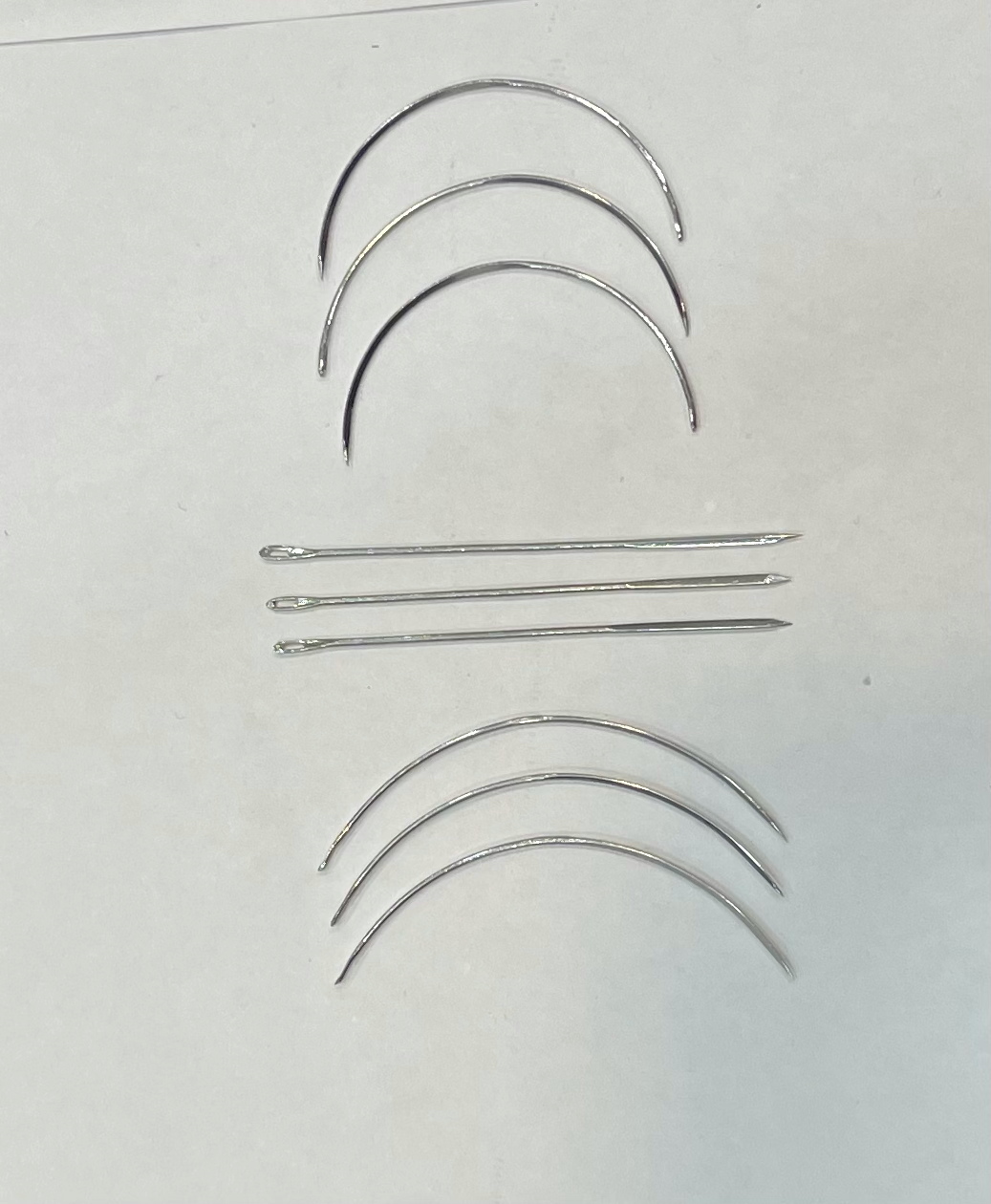
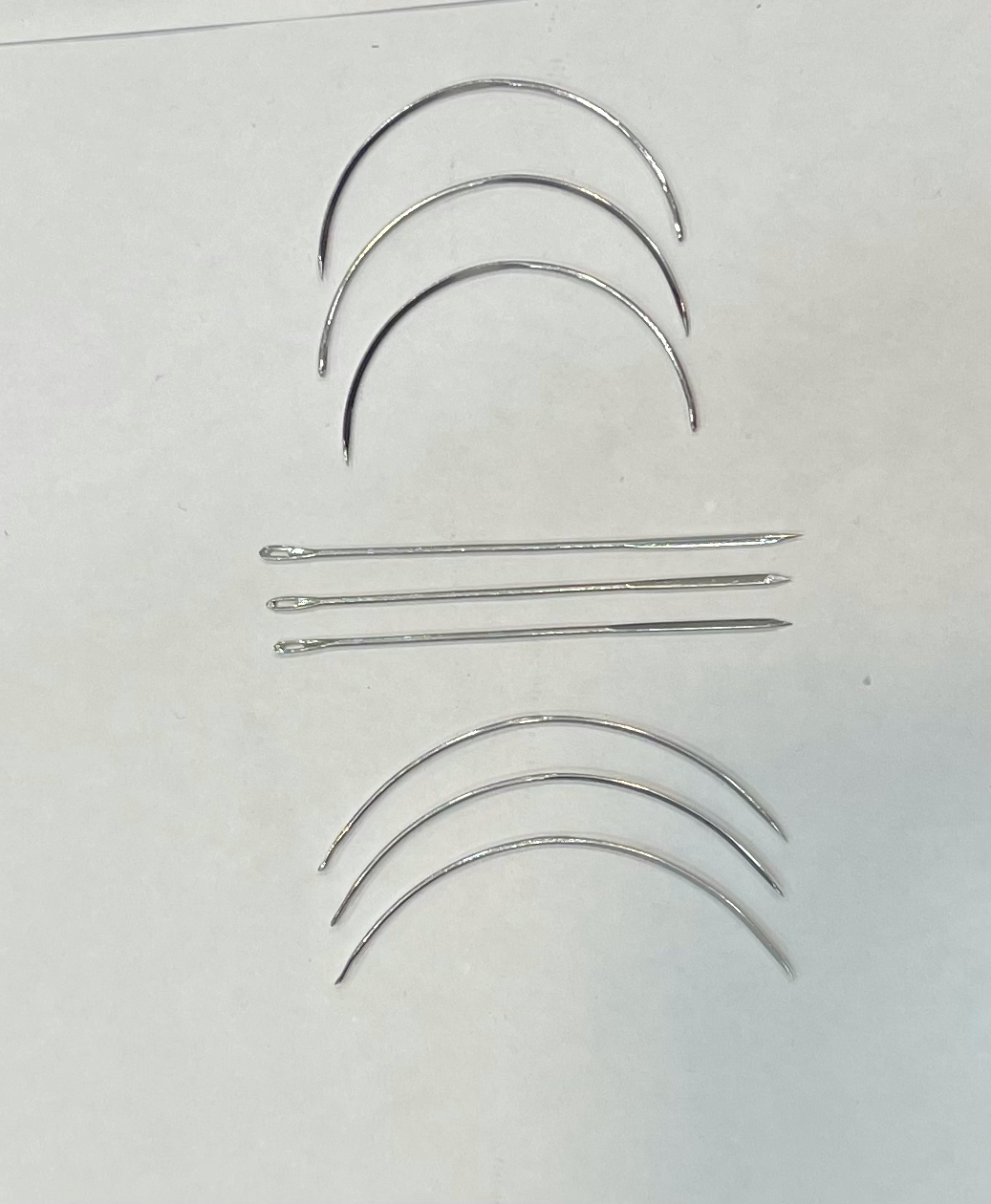
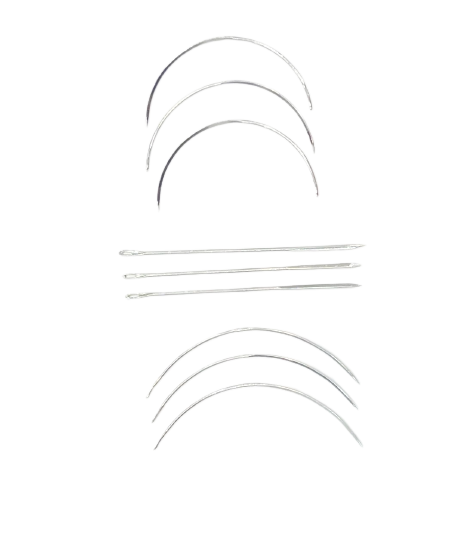
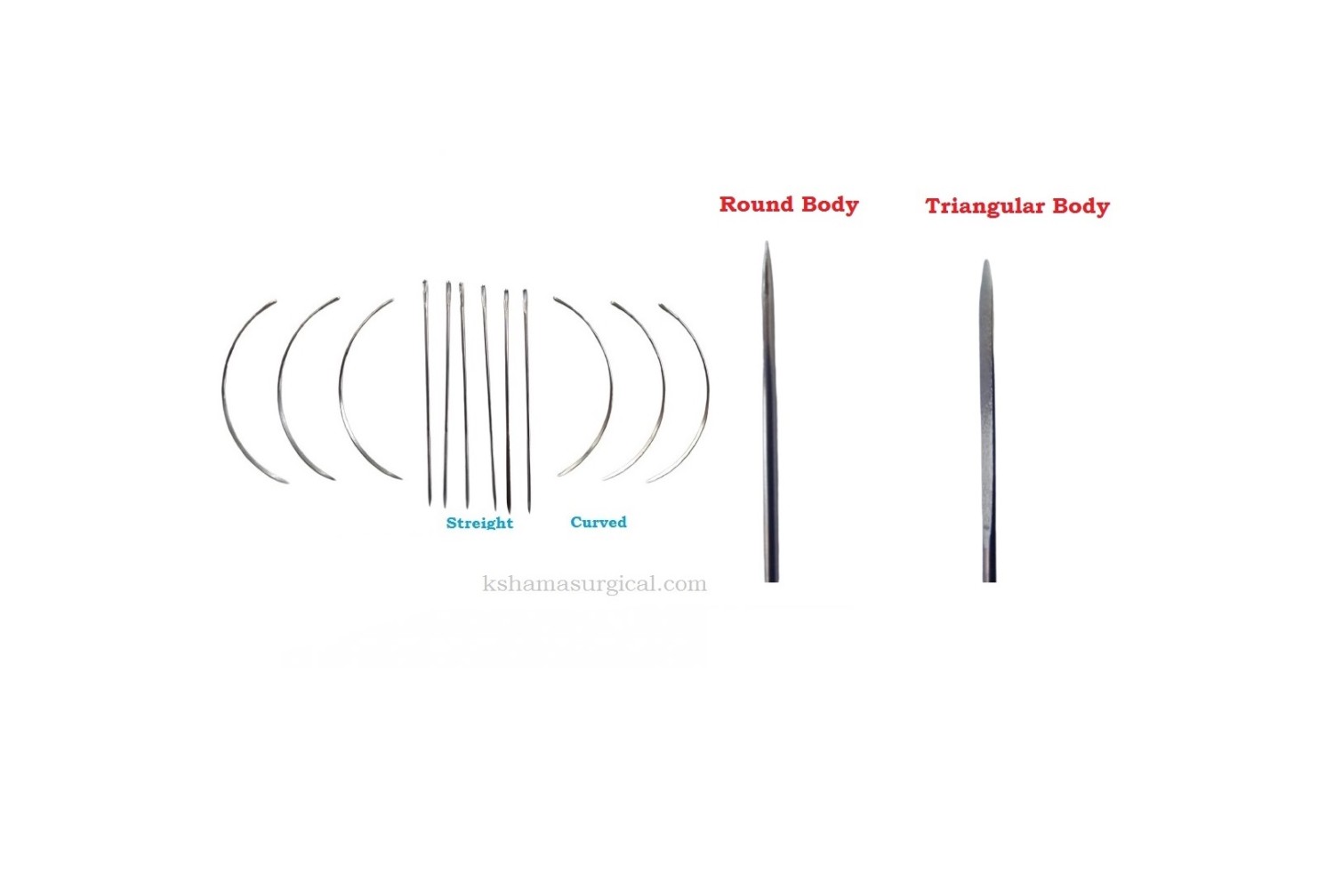
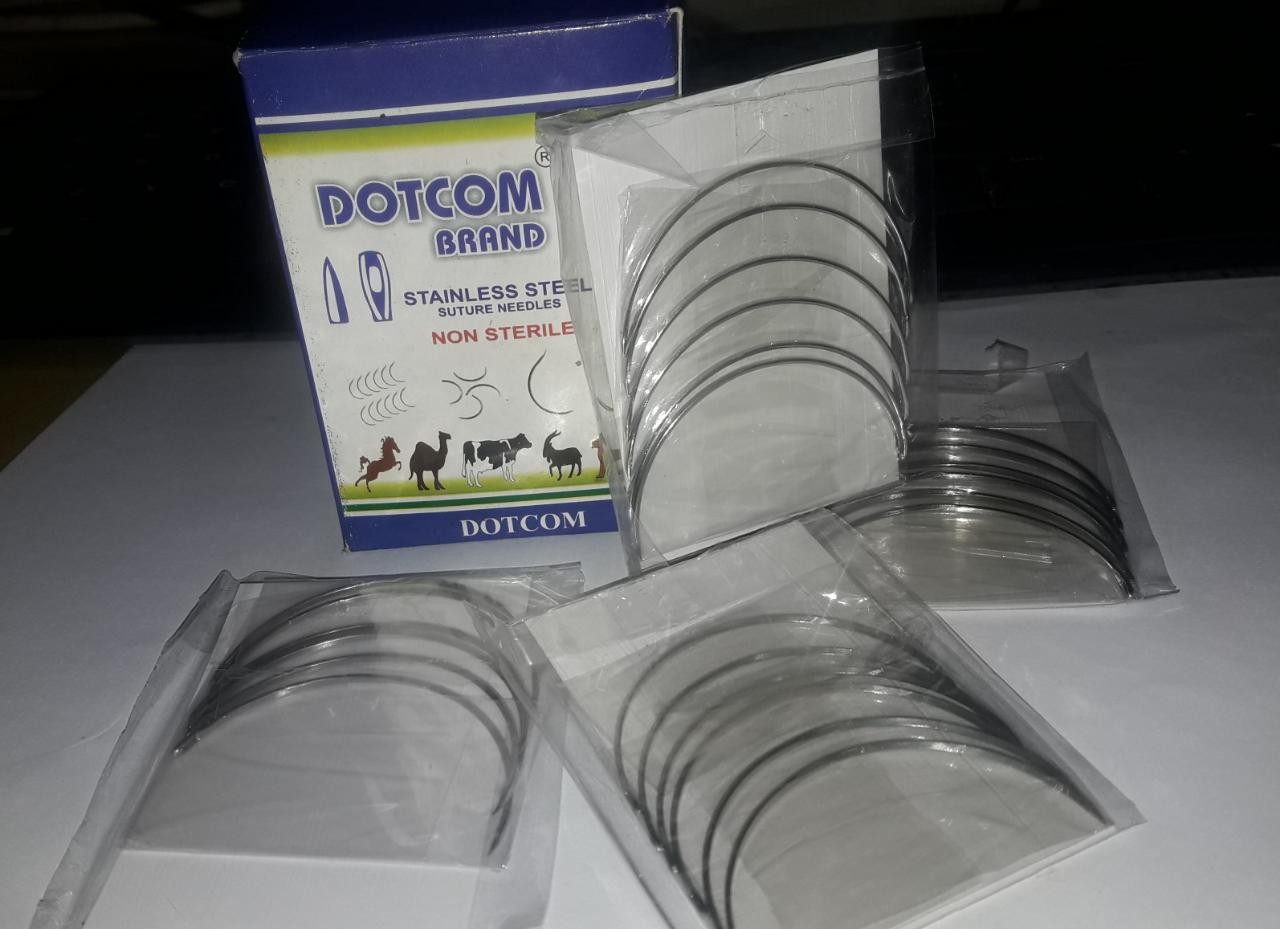
Suture needle
Drug Name
: NA
Drug Role
: Suture needles are essential surgical instruments designed for stitching tissues together after surgical procedures or injuries.
NA
No
Ceritifcations:








Please login / register to buy or to get detailed information of the product
SKU:
Stock Available:
Batch / Lot. No:
Shelf life:
Manufacturing Date:
-
Expiry Date:
-
Minimum Pack Size:
Minimum Order Qty:
24
Pharma Categories:
• Surgical Instrument • Suturing Tools
Product Form:
• Single or double-ended needles
Category:
Human
Group:
N/A
Type:
• Curved • Half Circle • Straight • Reverse Cutting • Eye Curved • Straight Reverse Cutting
Material:
• Surgical-grade stainless steel for strength and corrosion resistance
Country of Origin:
India
TAX:
5%
Qty per Piece:
Weight Of Each Piece(gm):
Piece Dimensions (L×W×H):
Qty per Buffer Box / Shrink Pack:
Weight of Buffer Box / Shrink Pack:
Buffer Dimensions (L×W×H):
Total Qty per Case:
Total Weight per Case:
Case Dimensions (L×W×H):
Weight / Volume:
Dimensions:
Inhouse product
Suture needles are essential surgical instruments designed for stitching tissues together after surgical procedures or injuries. They come in various shapes and sizes to accommodate different types of tissues and surgical techniques. Made from high-quality stainless steel, they are sharp, durable, and provide precise control during suturing.
• Sizes range from small (6 mm) to large (50 mm) depending on application
• Needle Curvatures: 1/4 circle, 3/8 circle, 1/2 circle, and straight
• Curved
• Half Circle
• Straight
• Reverse Cutting
• Eye Curved
• Straight Reverse Cutting
• Surgical-grade stainless steel for strength and corrosion resistance
• Sometimes coated with silicone or other materials to reduce friction
• Surgical Instrument
• Suturing Tools
• Single or double-ended needles
• Sterile individually packaged or in sterile trays
• Attached or detached from suture threads
• Closing wounds or surgical incisions by stitching tissue layers
• Used in both human and veterinary surgeries for tissue repair
• Compatible with various suture materials like absorbable and non-absorbable threads
• Precise tissue penetration with minimal trauma
• Variety of shapes and sizes for diverse surgical needs
• Durable and corrosion-resistant for safe use
• Often designed for single use to maintain sterility
• Requires skill to handle safely and effectively
• Single-use needles contribute to medical waste
• Improper use can cause tissue damage or needle stick injuries
• Always use sterile needles to prevent infections
• Handle with care to avoid accidental needle sticks
• Dispose of used needles in approved sharps containers
• Match needle type and size appropriately to tissue type
• Sterile packaged, ready for immediate use
• Store in a dry, sterile environment
• Do not reuse needles; dispose of after single use
• Widely used for suturing wounds and surgical incisions in animals
• Different needle types chosen based on animal size and tissue type
• Essential in both routine and complex veterinary surgeries
• Standard instrument in all surgical specialties for wound closure
• Used in emergency, elective, and reconstructive surgeries
• Helps promote proper healing and reduces infection risk
• HS Code: 9018.39 — Instruments and appliances used in medical, surgical, dental, or veterinary sciences, not elsewhere specified
• HSN Code: 9018 — Medical, surgical, dental, or veterinary instruments and appliances
Q: What needle type is best for delicate tissue?
A: Taper point needles are preferred for delicate tissues to minimize trauma.
Q: Can suture needles be reused?
A: No, they are designed for single use to maintain sterility and sharpness.
Q: Are suture needles used in veterinary surgery?
A: Yes, they are essential for wound closure in veterinary procedures.
Q: How should used needles be disposed of?
A: Place them in approved sharps containers to prevent injury and contamination.
Q: How to choose the right needle size?
A: Select based on tissue type, thickness, and surgical procedure requirements.
Secure Transaction
100% secure payment
Top Brand
Trusted quality
Non Return
Due to hygiene