 +91 88281
11034
+91 88281
11034
 Need Help?


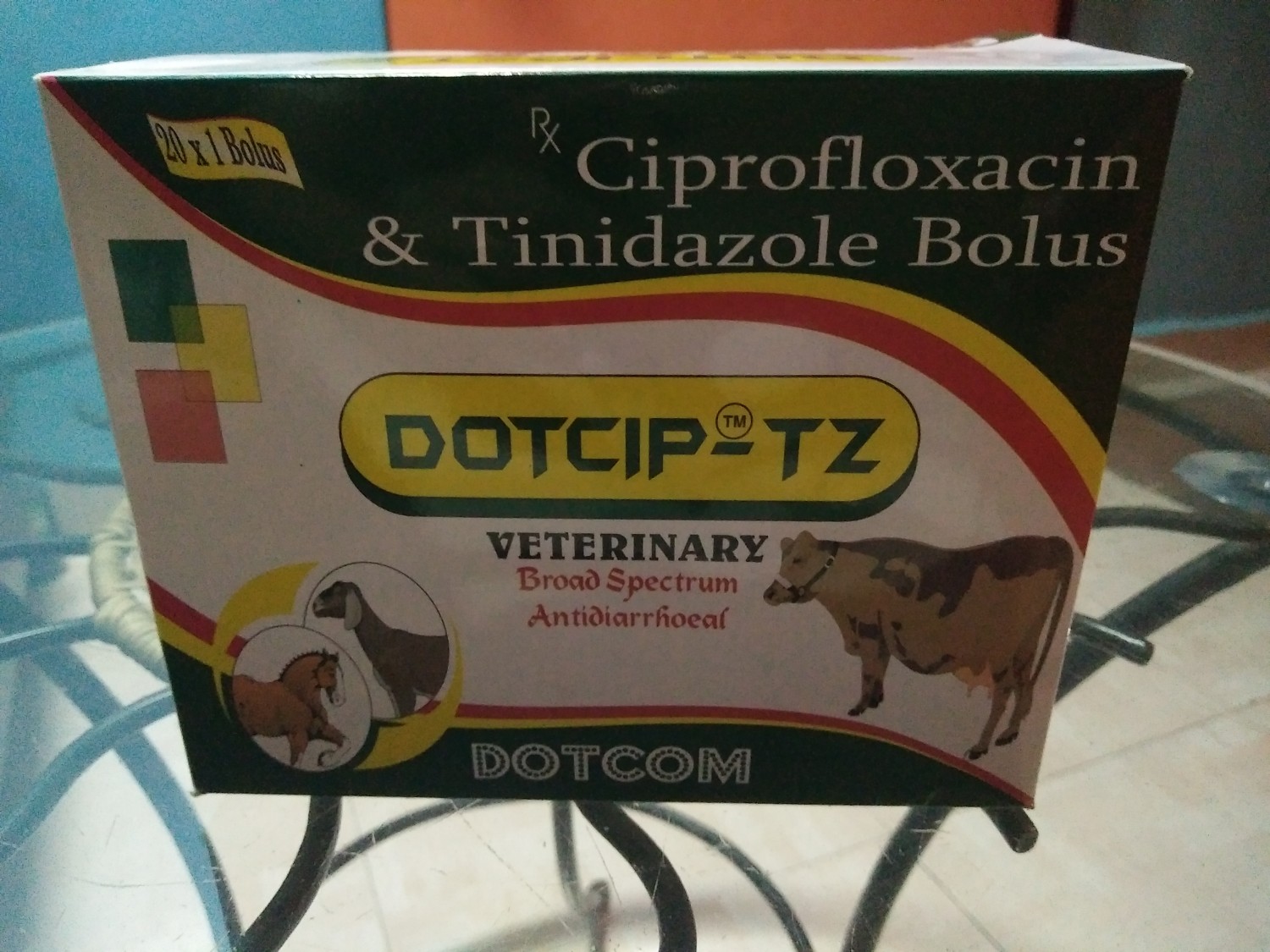
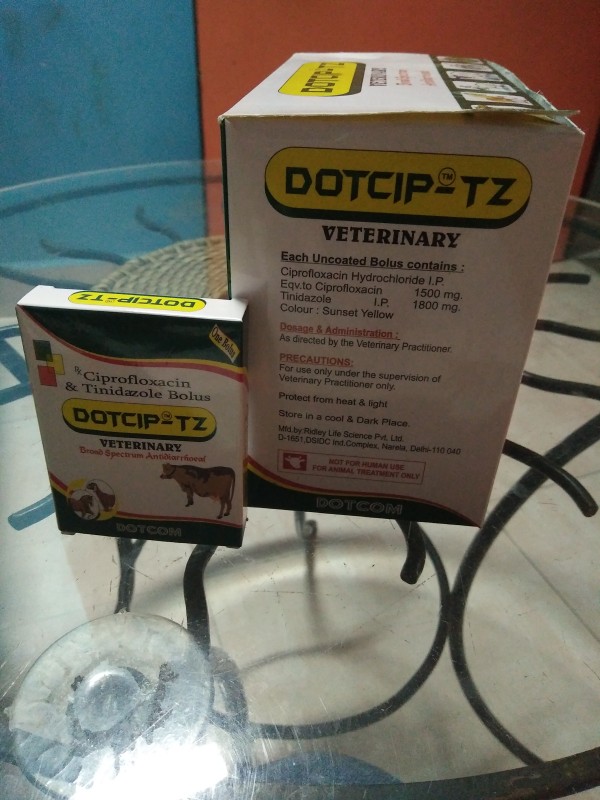
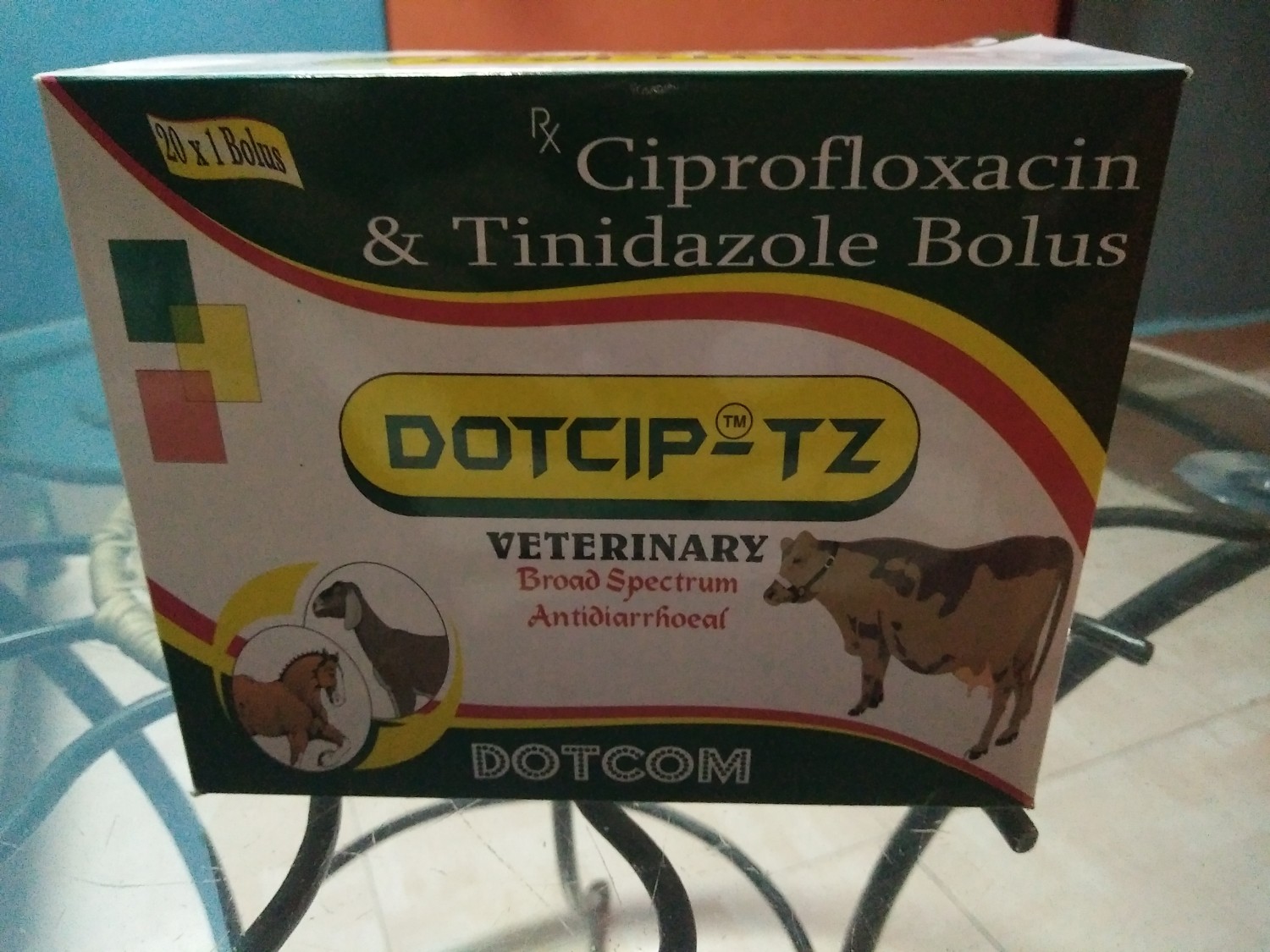
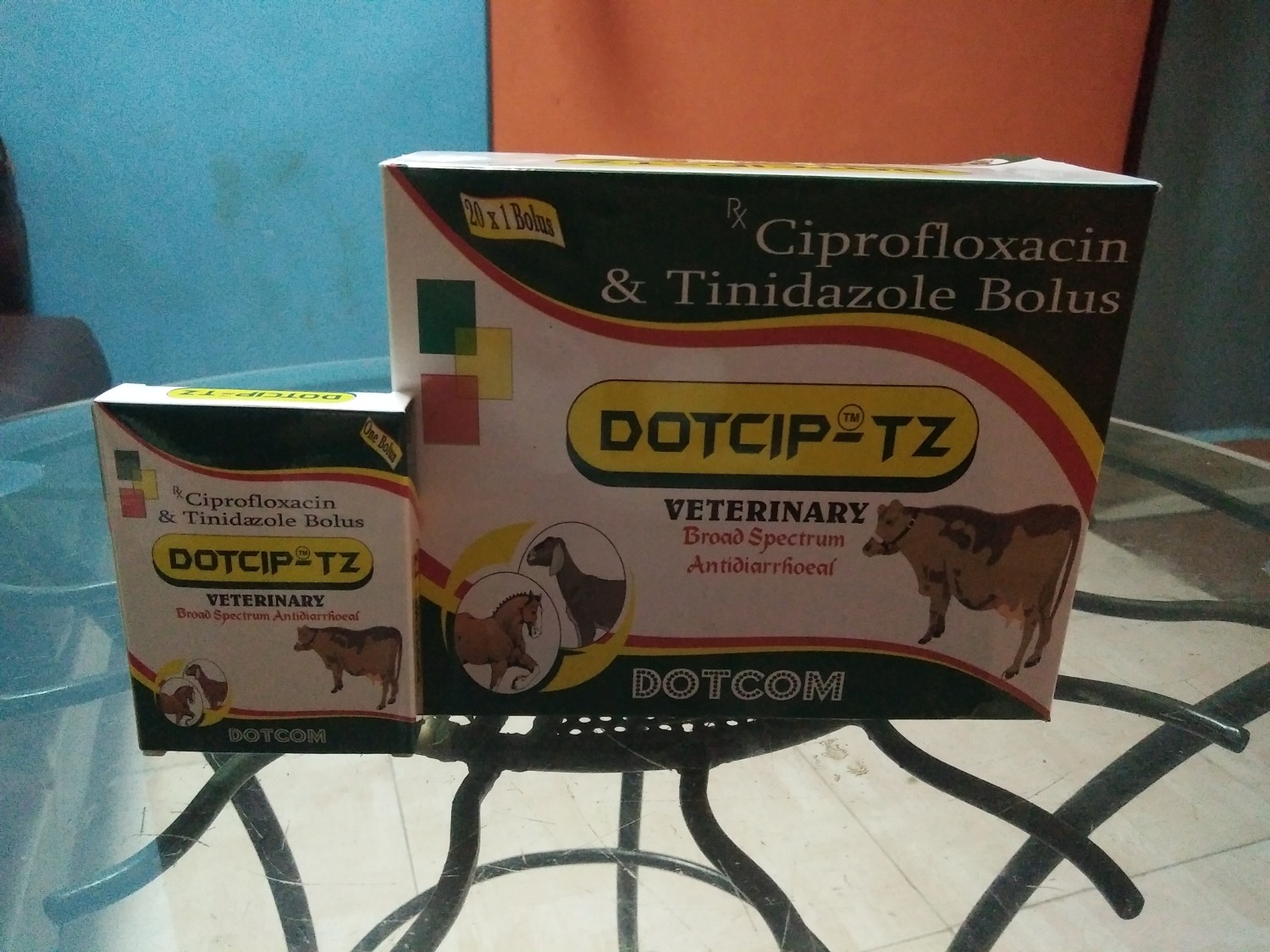
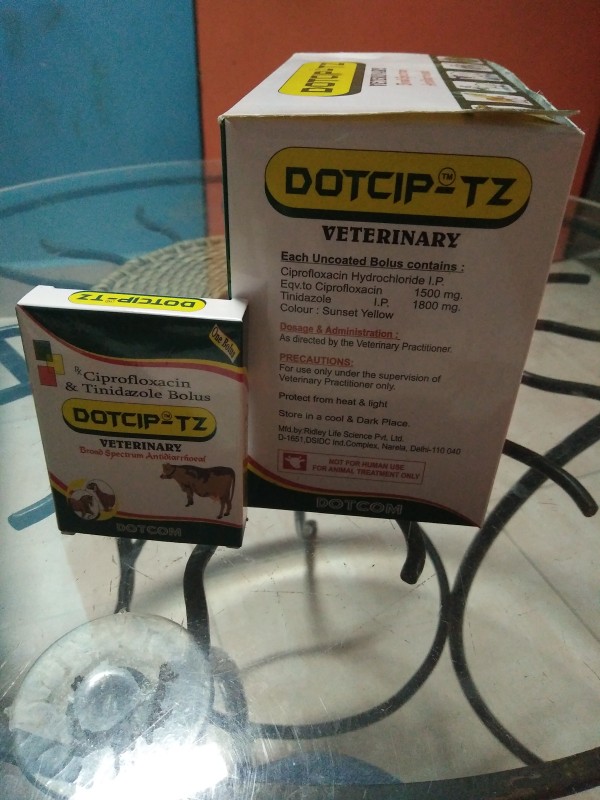
DOTCIP-TZ
Drug Name
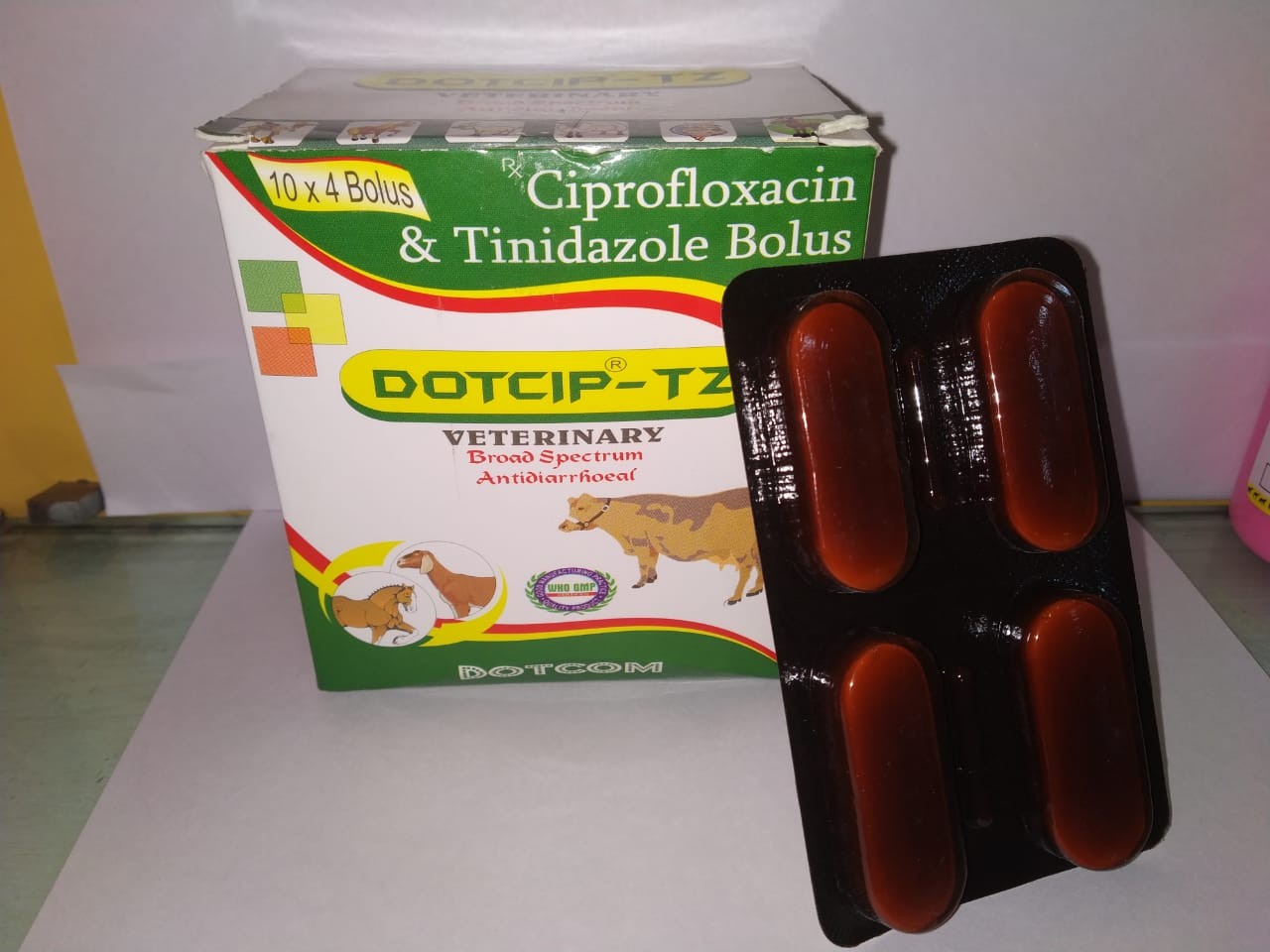
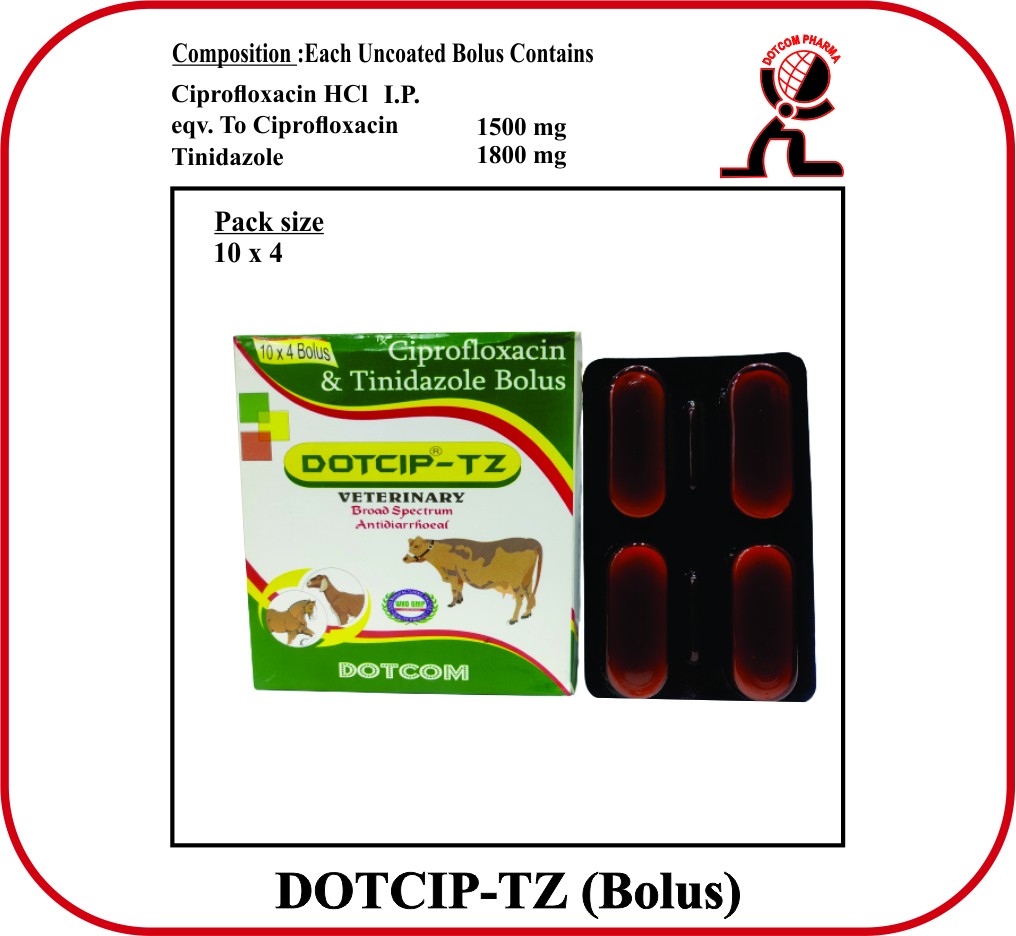
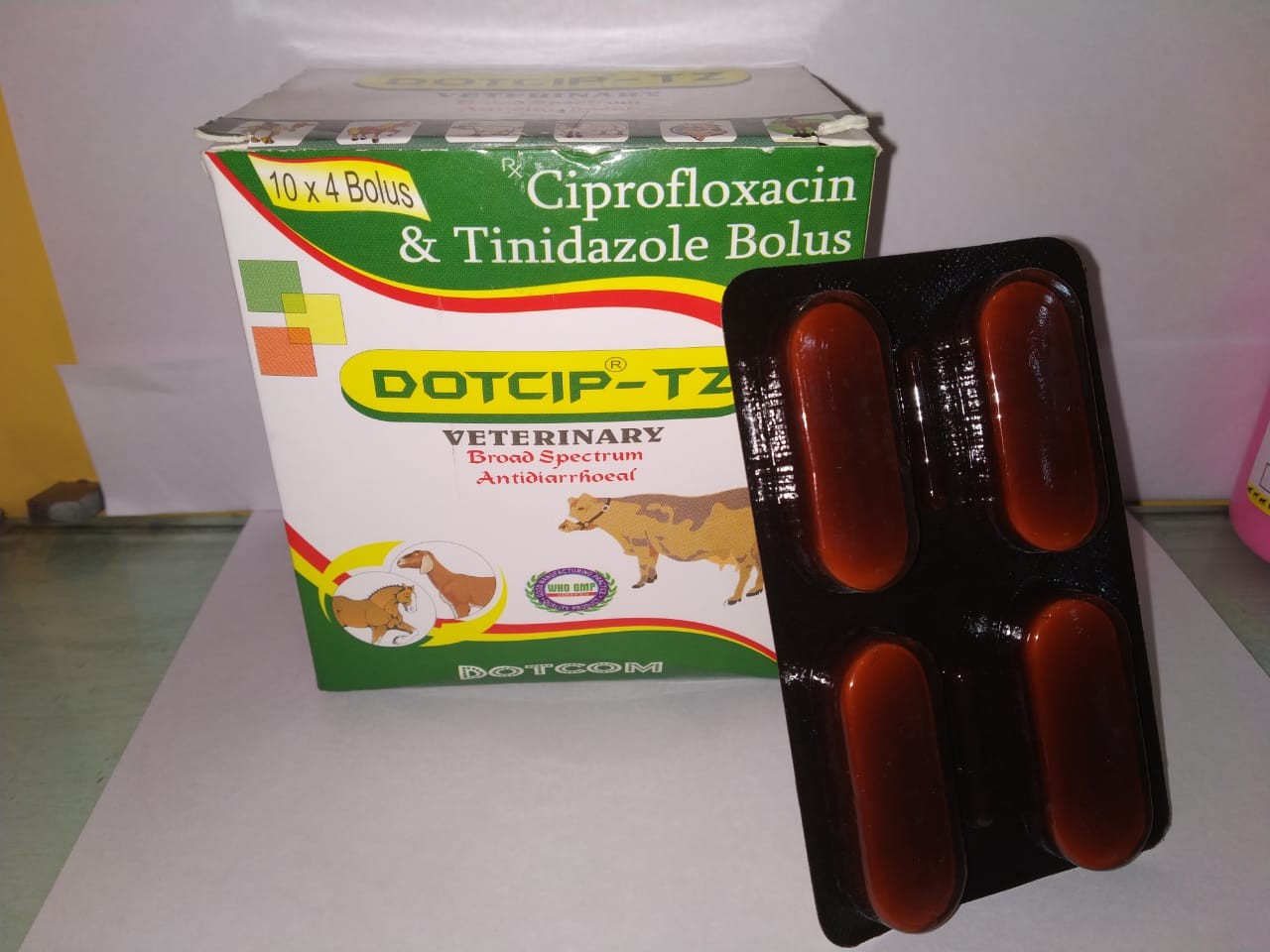
: CIPROFLOXACIN I.P. 1500 MG + TINIDAZOLE I.P. 1800 MG VETERINARY BOLUS
Drug Role
: Pharmacological Class: • Ciprofloxacin: Fluoroquinolone Antibacterial • Tinidazole: Nitroimidazole Antiprotozoal and Anaerobic Antibacterial Therapeutic Use: Broad-spectrum antimicrobial bolus for oral administration in animals
H
Yes
DOTCOM PHARMA
Ceritifcations:










Please login / register to buy or to get detailed information of the product
SKU:
Stock Available:
Batch / Lot. No:
Shelf life:
Manufacturing Date:
-
Expiry Date:
-
Minimum Pack Size:
Minimum Order Qty:
10
Pharma Categories:
Pharmacological Class: • Ciprofloxacin: Fluoroquinolone Antibacterial • Tinidazole: Nitroimidazole Antiprotozoal and Anaerobic Antibacterial Therapeutic Use: Broad-spectrum antimicrobial bolus for oral administration in animals
Product Form:
Solid oral veterinary bolus (intended for ruminants or large animals)
Category:
Veterinary
Group:
N/A
Type:
Veterinary Bolus Tablet
Material:
Tablet
HSN Code:
30049099
HS Code:
3004.90
Country of Origin:
India
TAX:
5%
Qty per Piece:
Weight Of Each Piece:
Piece Dimensions (L×W×H):
Qty per Buffer Box / Shrink Pack:
Weight of Buffer Box / Shrink Pack:
Buffer Dimensions (L×W×H):
Total Qty per Case:
Total Weight per Case:
Case Dimensions (L×W×H):
Weight / Volume:
Dimensions:
Inhouse product
This veterinary bolus combines Ciprofloxacin Hydrochloride I.P. (equivalent to Ciprofloxacin 1500 mg), a second-generation fluoroquinolone antibacterial, with Tinidazole I.P. 1800 mg, a nitroimidazole-class antimicrobial. Designed for oral administration in large animals, this bolus is intended for treatment of mixed infections — particularly those caused by aerobic bacteria, anaerobes, and protozoa — with a focus on gastrointestinal and systemic infections in livestock.
Composition per bolus:
• Ciprofloxacin Hydrochloride I.P. (eq. to Ciprofloxacin) – 1500 mg
• Tinidazole I.P. – 1800 mg
• Excipients – q.s.
Excipients may include: Lactose monohydrate, microcrystalline cellulose, starch, magnesium stearate, disintegrants, and coating agents (if applicable), all conforming to Indian Pharmacopoeia (I.P.) or equivalent veterinary quality standards.
Dosage Form: Solid oral veterinary bolus (intended for ruminants or large animals)
Appearance: Oblong or oval-shaped bolus; white to off-white in colour; embossed or plain depending on branding.
Pharmacological Class:
• Ciprofloxacin: Fluoroquinolone Antibacterial
• Tinidazole: Nitroimidazole Antiprotozoal and Anaerobic Antibacterial
Therapeutic Use: Broad-spectrum antimicrobial bolus for oral administration in animals
Indicated in the treatment of:
• Gastrointestinal infections (diarrhoea, dysentery, enteritis) of mixed bacterial and protozoal origin
• Calf scours, colibacillosis, salmonellosis, amoebiasis
• Anaerobic infections in the intestinal tract and other tissues
• Protozoal infections such as giardiasis, trichomoniasis
• Post-surgical or secondary infections in livestock
• Mixed infections in respiratory, urinary, or reproductive tracts (if systemic coverage appropriate)
Route of Administration: Oral — via whole bolus administration
Recommended Dosage:
• 1 bolus once daily for 3 to 5 days, or as directed by the attending veterinarian
• Adjust according to species, body weight, and clinical condition
Method: Administer using a bolus applicator or manually, ensuring full ingestion. Follow with water or feed as needed.
• Enhanced antimicrobial synergy with fluoroquinolone + nitroimidazole combination
• Broad-spectrum action against aerobic, anaerobic, and protozoal pathogens
• Effective in mixed gastrointestinal infections, especially where bacterial and protozoal coinfection is suspected
• Oral administration reduces stress and cost versus injectable therapies
• Short-course, high-dose strategy suitable for acute treatment in livestock
Possible side effects include:
• Mild gastrointestinal disturbances (vomiting, diarrhoea, loss of appetite)
• Rare hypersensitivity reactions (rash, swelling, pruritus)
• Neurological signs in overdose (ataxia, dizziness, head tilt)
• Potential for cartilage toxicity in young animals (fluoroquinolone class risk)
• Changes in gut flora balance; risk of secondary infections with prolonged use
• Do not use in animals known to be allergic to fluoroquinolones or nitroimidazoles
• Use cautiously in growing animals; avoid in neonates unless necessary
• Contraindicated in pregnant or lactating animals unless under strict veterinary guidance
• Avoid concurrent use with drugs that prolong QT interval or known nephrotoxic agents
• Discontinue immediately if signs of CNS toxicity or allergic reaction appear
Meat: At least 28 days after last administration
Milk: At least 7 days if used in lactating animals
Always verify with local veterinary drug regulatory authorities for official withdrawal periods. Maintain accurate treatment records for compliance.
• Store in a cool, dry place, below 30°C
• Protect from light, moisture, and extreme temperatures
• Keep in original packaging until time of use
• Do not use after expiry date printed on label
• Wear gloves when administering
• Avoid direct contact with broken or crushed bolus
• Wash hands after handling/ Dispose of unused or expired product according to veterinary waste protocols
• Schedule H (India) equivalent – Veterinary use only
• Prescription veterinary drug – Not for retail sale without a registered veterinary prescription
• Regulated under the Drugs and Cosmetics Act (India) or corresponding legislation in the region of use
• HS Code (International): 3004.90 – Medicaments for veterinary use
• HSN Code (India): 30049099 – Other veterinary medicaments (not elsewhere specified)
Veterinary Use Only
• Formulated specifically for large animal pharmacokinetics
• Bolus size, excipients, and dosing unsuitable for humans
• Human use is strictly prohibited
Human Medications Note: Though ciprofloxacin and tinidazole are used in humans, this veterinary bolus is not equivalent to human tablets or suspensions. Misuse poses serious risks
• Use only under the supervision of a licensed veterinarian
• Do not split, crush, or dissolve the bolus — administer whole
• Keep detailed records of administration: date, animal ID, dosage, and withdrawal dates
• Avoid misuse for growth promotion — this is a therapeutic product only
Q: What does Ciprofloxacin treat in animals?
A: Ciprofloxacin is a fluoroquinolone antibiotic used against a wide range of gram-negative and some gram-positive bacteria, effective in systemic and gastrointestinal infections.
Q: What is Tinidazole's role in this bolus?
A: Tinidazole is an antiprotozoal and ant anaerobic agent, ideal for treating intestinal protozoal infections and anaerobic bacterial infections that co-occur in livestock.
Q: Can this be used in pregnant animals?
A: Use is not recommended unless prescribed by a veterinarian. Risk-benefit must be carefully evaluated.
Q: How should I administer the bolus?
A: Insert carefully using a bolus gun or manually for large ruminants. Ensure full swallowing. Provide water or feed to assist.
Q: Can I use this product in small animals (e.g., dogs, goats)? A: Only if specifically approved by a veterinarian. This dosage form is formulated for large animals and may not be safe or effective in small species.
Q: What happens if I miss a dose? A: Administer the missed dose as soon as possible. Do not double-dose. Maintain a consistent schedule for maximum efficacy.
Secure Transaction
100% secure payment
Top Brand
Trusted quality
Non Return
Due to hygiene