 +91 88281
11034
+91 88281
11034
 Need Help?



FRUVET
Drug Name
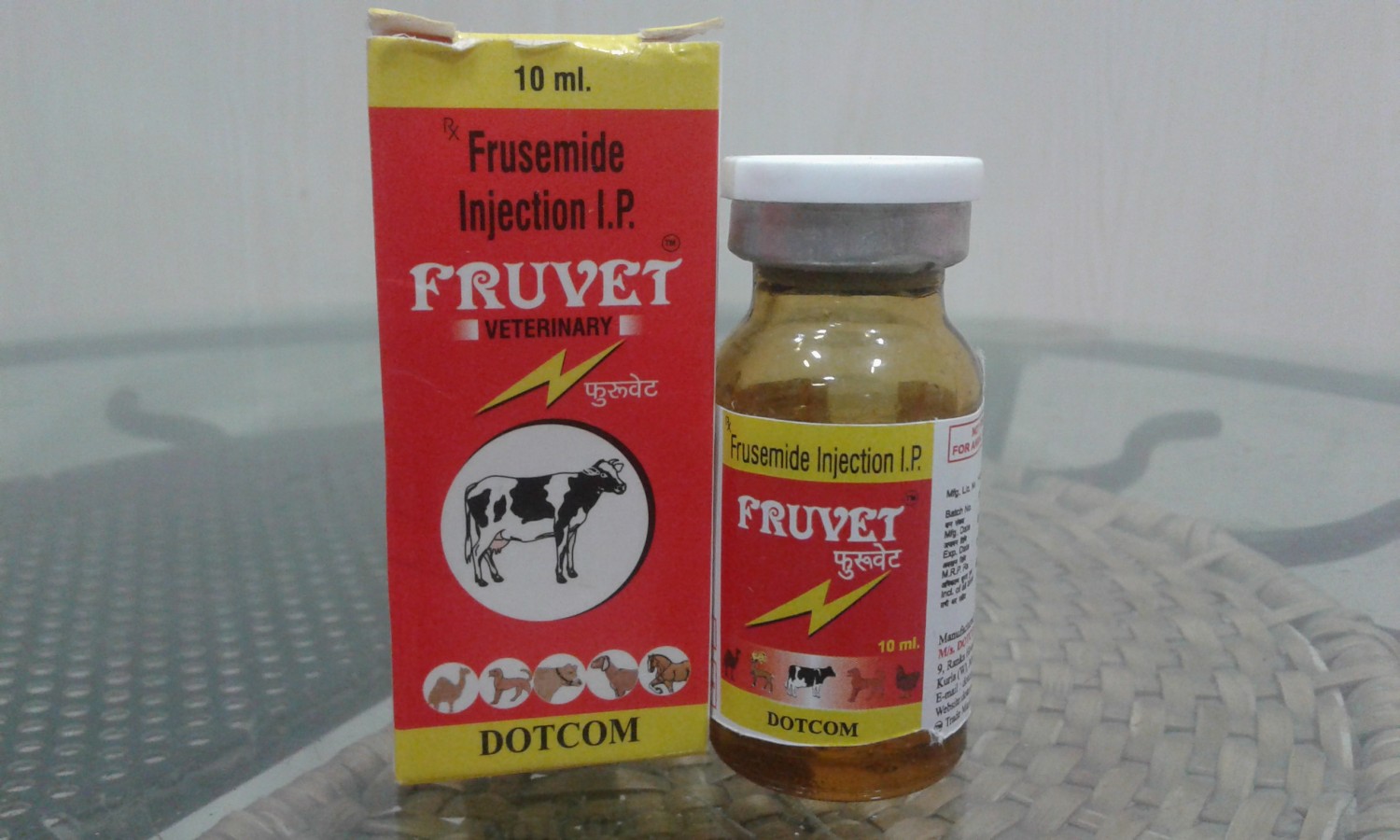
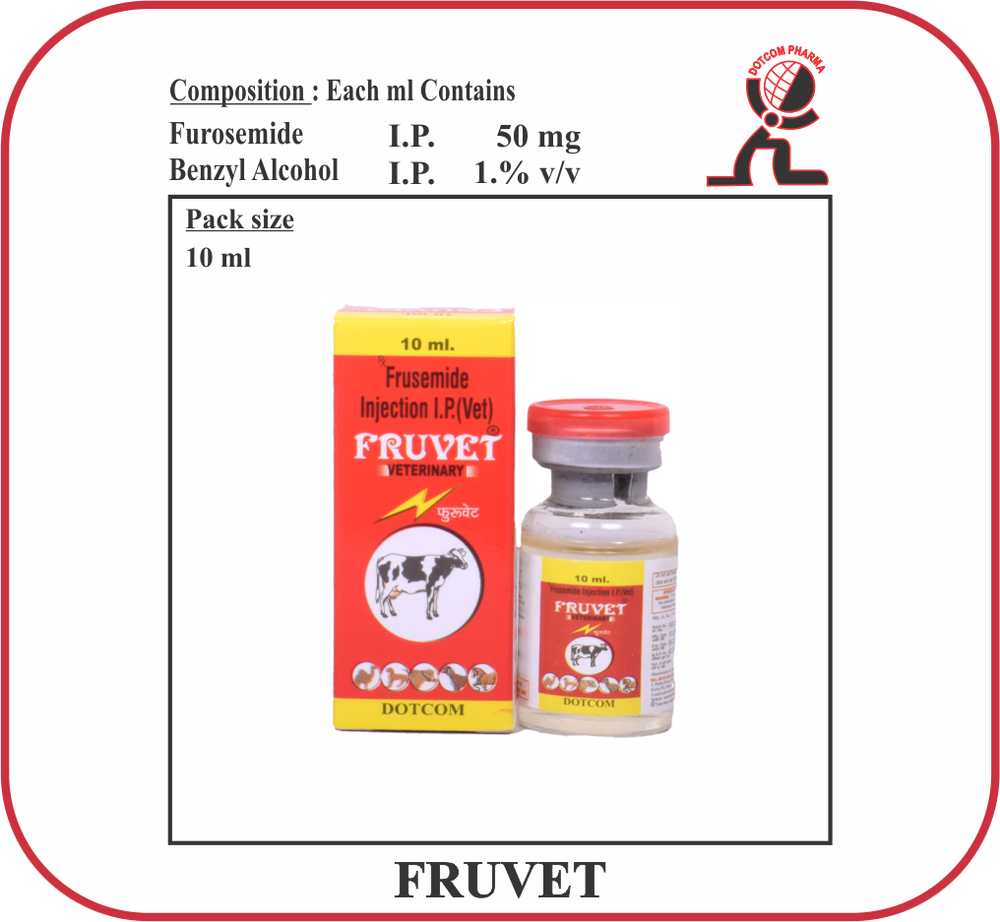
: Furosemide IP 50 mg Injection Veterinary Use
Drug Role
: Diuretic . Saluretic
NA
No
Ceritifcations:










Please login / register to buy or to get detailed information of the product
SKU:
Stock Available:
Batch / Lot. No:
Shelf life:
Manufacturing Date:
Dec 2024
Expiry Date:
Nov 2026
Minimum Pack Size:
Minimum Order Qty:
40
Pharma Categories:
Loop diuretic, veterinary injectable.
Product Form:
• Sterile injectable solution • Available in 10 mL vial
Category:
Liquid Injection
Group:
N/A
Type:
Liquid Injection
Material:
Injection
Tags
HSN Code:
3004
HS Code:
3004909099
Country of Origin:
India
TAX:
5%
Qty per Piece:
Weight Of Each Piece(gm):
Piece Dimensions (L×W×H):
Qty per Buffer Box / Shrink Pack:
Weight of Buffer Box / Shrink Pack:
Buffer Dimensions (L×W×H):
Total Qty per Case:
Total Weight per Case:
Case Dimensions (L×W×H):
Weight / Volume:
Dimensions:
Inhouse product
Furosemide IP is a potent loop diuretic used in veterinary medicine to promote diuresis by inhibiting the reabsorption of sodium and chloride in the kidneys, primarily in the ascending loop of Henle. This results in increased urine production and reduction of fluid retention in animals. Benzyl Alcohol IP at 1% v/v serves as a preservative to maintain the sterility and stability of the injectable solution.
• Appearance: Clear, colourless sterile injectable solution
• Furosemide concentration: 50 mg/mL
• Benzyl Alcohol concentration: 1% v/v (preservative)
• pH: 8.0 – 9.5
• Sterility: Complies with pharmacopeial sterile injection requirements
• Free from particulate matter
• Shelf life: Typically 2 years under recommended storage conditions
• Furosemide IP: 50 mg per mL
• Benzyl Alcohol IP (Preservative): 1% v/v
• Water for Injection: q.s.
• Water for Injection
• Benzyl Alcohol IP 1% v/v (preservative)
• pH adjusters such as Sodium hydroxide or Hydrochloric acid as required
Loop diuretic, veterinary injectable.
• Treatment of enema associated with congestive heart failure, liver cirrhosis, and renal diseases in animals
• Management of fluid retention and hypertension
• Used in veterinary cardiology and nephrology to reduce fluid overload
• Adjunct therapy for respiratory distress caused by pulmonary enema
• Cattle, horses, buffaloes: 10–20 mL (equivalent to 500–1000 mg Furosemide)
• Sheep, goats: 2–5 mL
• Dogs, cats: 1–5 mL
• Administer once or twice daily based on veterinary prescription
• Intravenous (IV) injection (preferred for rapid effect)
• Intramuscular (IM) or Subcutaneous (SC) injection if IV is not possible
• Sterile injectable solution
• Available in 10 mL vial
Used in veterinary practice to manage conditions causing fluid accumulation and enema, improve urine output, and reduce hypertension in animals.
• Potent diuretic effect
• Rapid onset when administered IV
• Helps relieve symptoms associated with fluid overload
• Stable formulation with preservative
• Suitable for multiple veterinary species
• Excessive diuresis leading to dehydration and electrolyte imbalances
• Hypokalaemia (low potassium levels)
• Injection site pain or irritation
• Possible ototoxicity at high doses (rare in veterinary use)
• Hypotension and weakness in overdose cases
Non-controlled veterinary pharmaceutical; prescription-based availability depending on region.
• Use aseptic technique for injection
• Monitor hydration status and electrolyte balance during therapy
• Avoid use in animals with anuria or severe renal impairment
• Use caution in pregnant or lactating animals under veterinary supervision
• Do not exceed recommended dosage to prevent adverse effects
• Meat: Typically 7 days withdrawal period recommended
• Milk: 48 hours withdrawal period advised (may vary by local regulation
• Store below 30°C in a cool, dry place
• Protect from light and freezing
• Keep container tightly closed
• Use sterile needles and syringes
• Follow manufacturer’s guidelines on vial punctures
• Dispose of unused product and containers per local regulations
• HS Code: 3004909099
• HSN Code: 3004 (Medicaments for therapeutic or prophylactic uses)
• Administer IV slowly to prevent ototoxicity and hypotension
• Do not mix with other injectable drugs unless compatibility confirmed
• Use under strict veterinary supervision
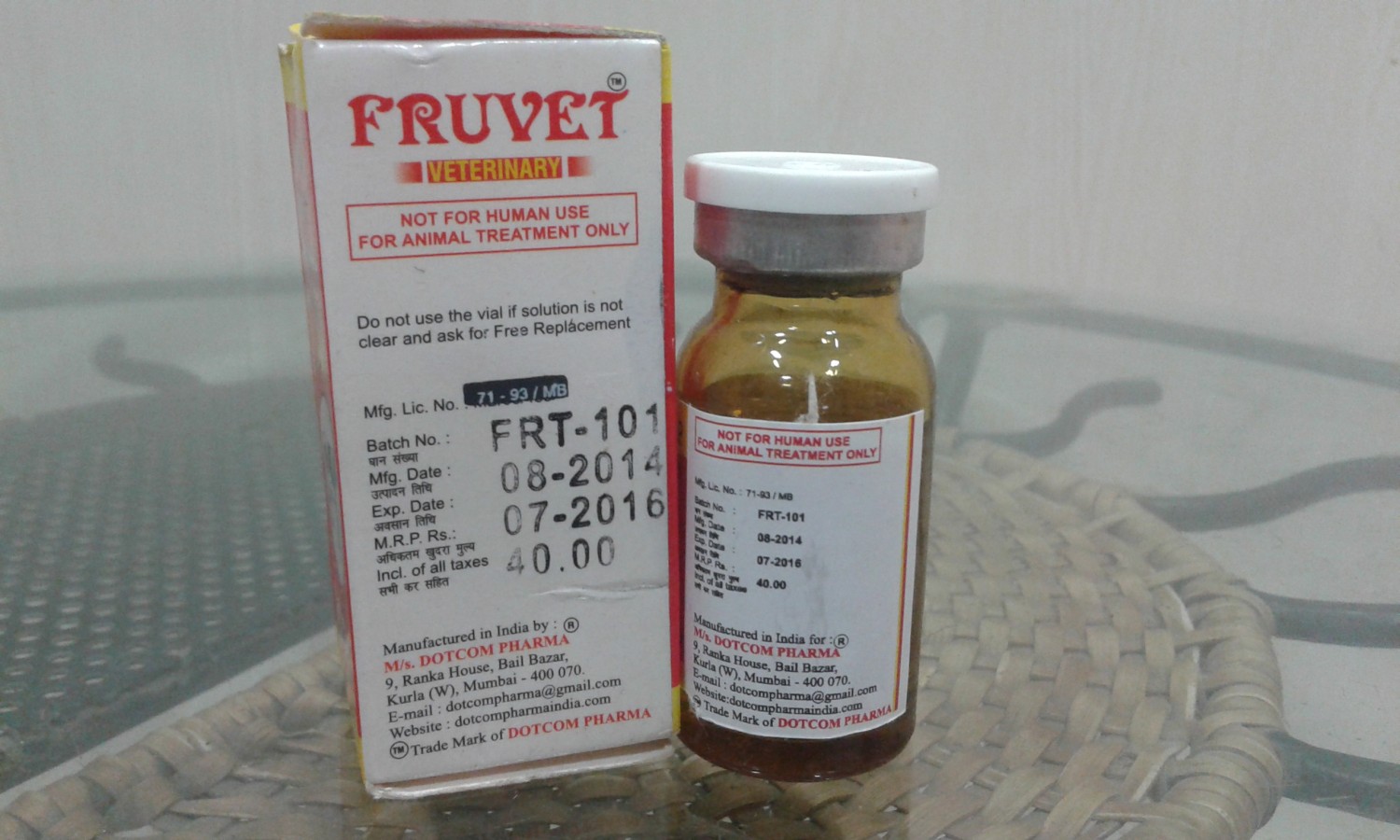
• For veterinary use only
• Not intended for human administration
Q1: What is Furosemide used for in animals?
Furosemide is used as a diuretic to reduce fluid retention in conditions like heart failure and kidney disease.
Q2: Why is Benzyl Alcohol included in this formulation?
Benzyl Alcohol acts as a preservative to maintain sterility and prevent microbial contamination.
Q3: What is the recommended dose for cattle?
Usually 10–20 mL intramuscularly or intravenously depending on condition and veterinary advice.
Q4: What are common side effects?
Dehydration, electrolyte imbalances, injection site irritation, and in rare cases ototoxicity.
Q5: Can it be given intravenously?
Yes, IV is the preferred route for rapid action.
Q6: Is a withdrawal period required?
Yes, typically 7 days for meat and 48 hours for milk, but check local regulations.
Q7: Can this injection be used in pregnant animals?
Only with veterinary supervision due to potential risks.
Secure Transaction
100% secure payment
Top Brand
Trusted quality
Non Return
Due to hygiene