 +91 88281
11034
+91 88281
11034
 Need Help?




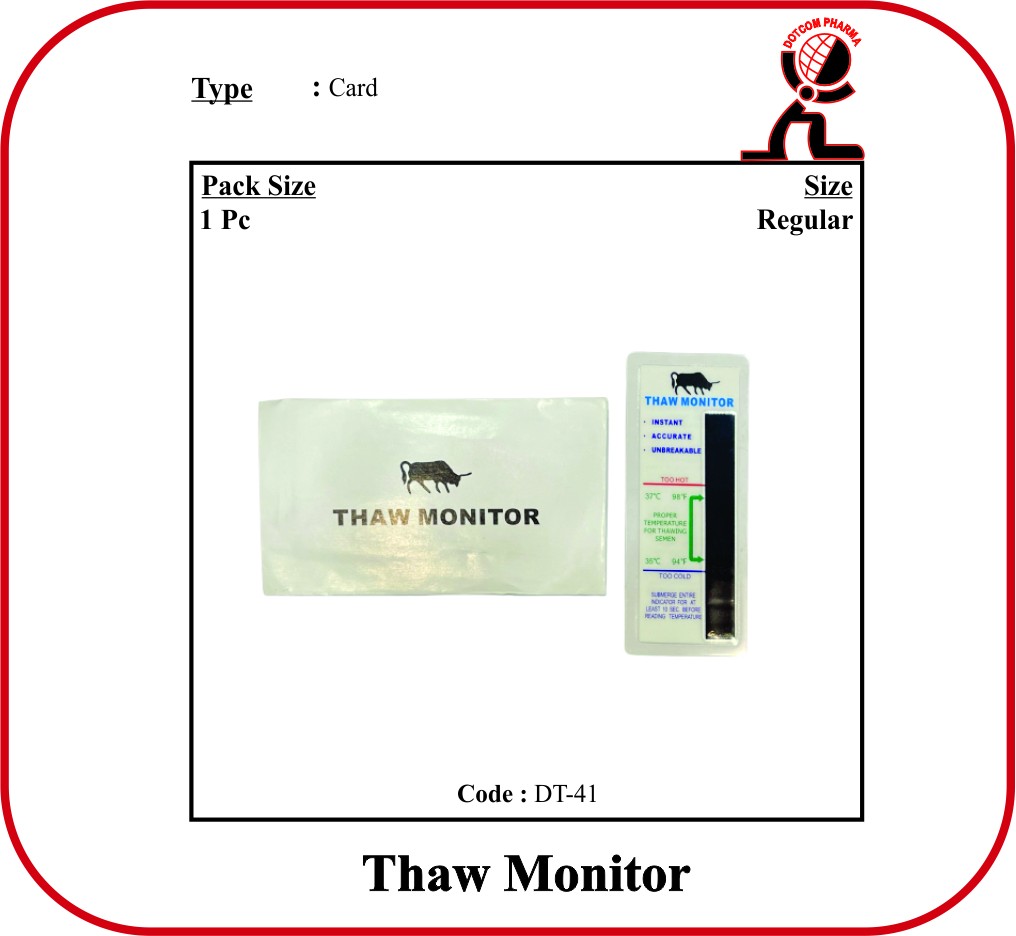
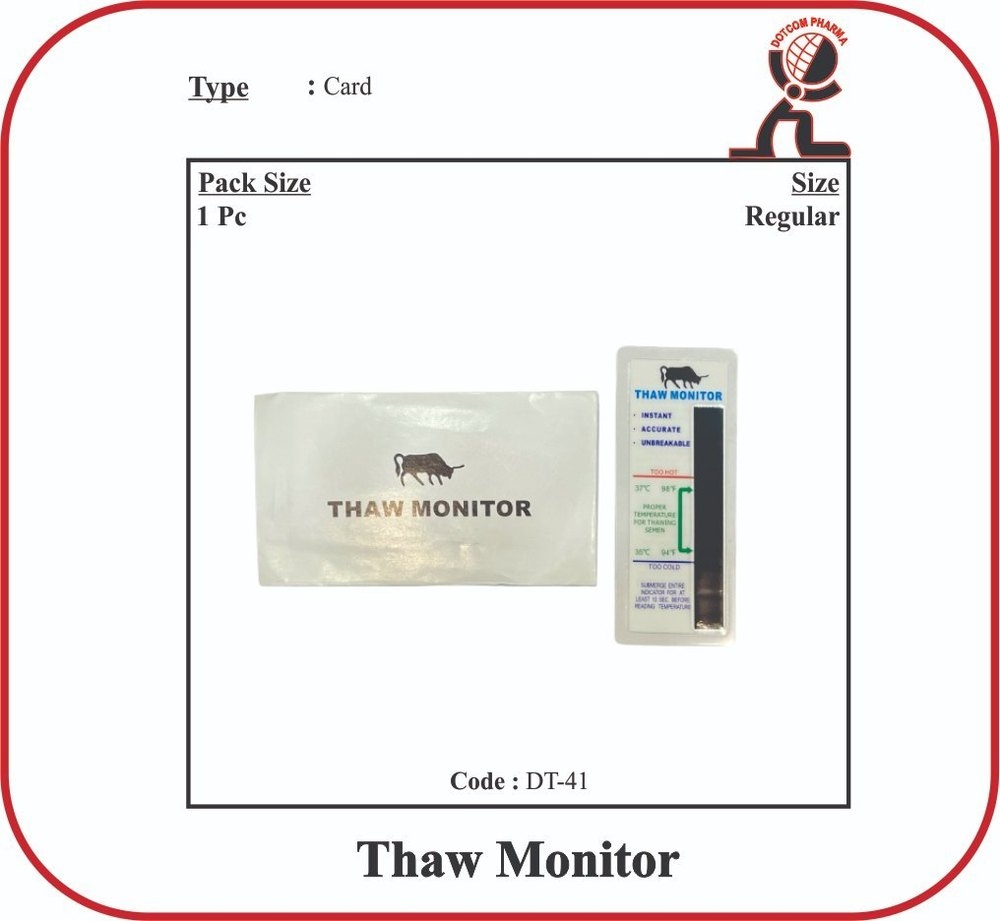
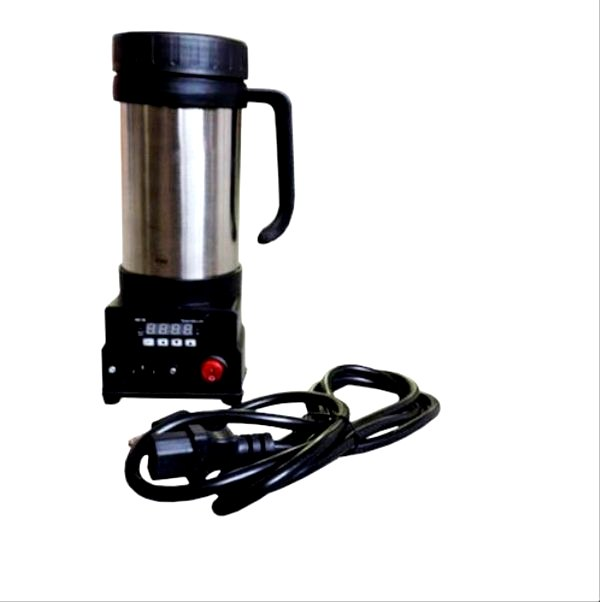
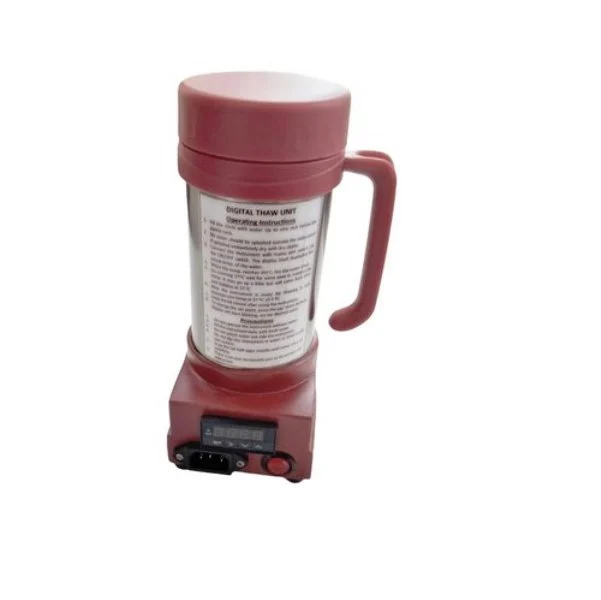
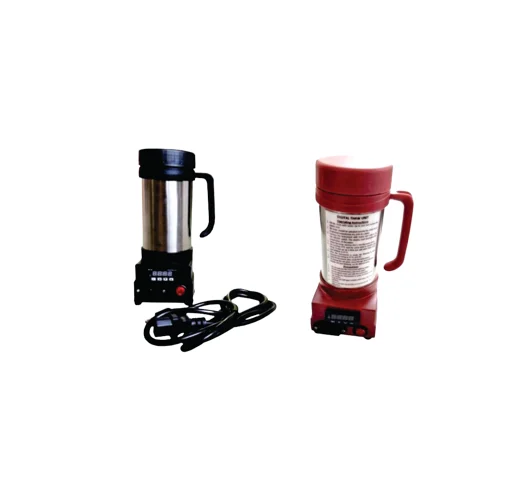
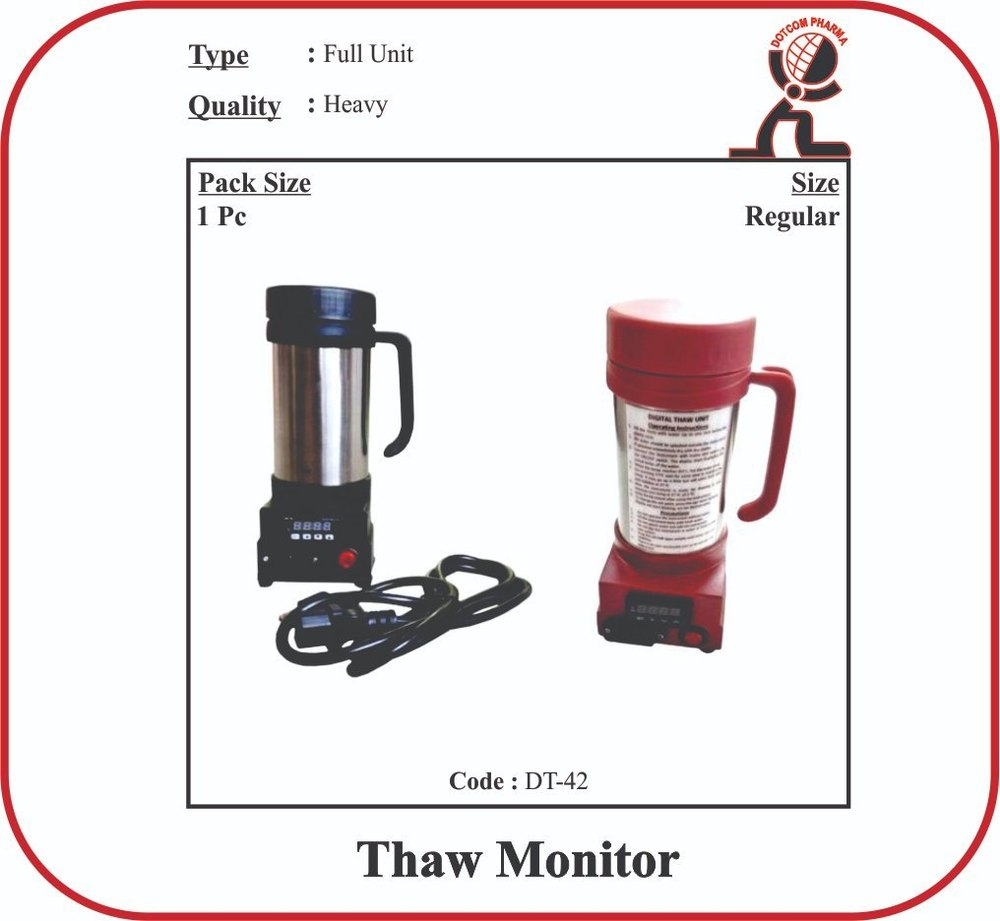
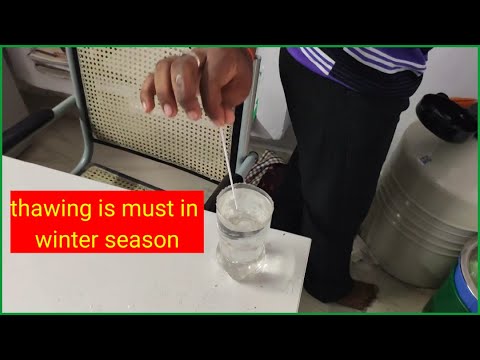
Thaw Monitor
Drug Name
: NA
Drug Role
: A Thaw Monitor Card is a temperature-sensitive indicator used to monitor whether frozen medical or biological products have thawed during storage, transport, or handling.
NA
No
Ceritifcations:










Please login / register to buy or to get detailed information of the product
SKU:
Stock Available:
Batch / Lot. No:
Shelf life:
Manufacturing Date:
-
Expiry Date:
-
Minimum Pack Size:
Minimum Order Qty:
1
Pharma Categories:
• Cold Chain Monitoring • Medical Safety & QA Tools • Biological Product Transport Accessories
Product Form:
Self-adhesive flat card or label
Category:
Veterinary
Group:
N/A
Material:
• Indicator Film: Temperature-sensitive chemical layer (often liquid crystal-based)
HSN Code:
9025.80.10
HS Code:
9025.80
Country of Origin:
Imported
TAX:
5%
Qty per Piece:
Weight Of Each Piece(gm):
Piece Dimensions (L×W×H):
Qty per Buffer Box / Shrink Pack:
Weight of Buffer Box / Shrink Pack:
Buffer Dimensions (L×W×H):
Total Qty per Case:
Total Weight per Case:
Case Dimensions (L×W×H):
Weight / Volume:
Dimensions:
Inhouse product
A Thaw Monitor Card is a temperature-sensitive indicator used to monitor whether frozen medical or biological products have thawed during storage, transport, or handling. It helps ensure the integrity of products such as vaccines, biological samples, or plasma by giving a clear visual indication of thawing events. This card is often attached directly to blood bags, vaccine shipments, or biological containers to detect exposure to temperatures above freezing (0°C / 32°F).
• Temperature Sensitivity: 0°C (standard) or customizable based on product requirements
• Indication Type: Colour change (irreversible) once thawing occurs
• Size: Compact – approximately 2 to 3 inches, card or sticker form
• Adhesive Backing: Yes, for attachment to containers or packs
• Shelf Life: Typically 1–2 years (depends on manufacturer)
• Storage Condition: Store in a cold environment (usually below -18°C) until use
• Size:
o Small card (2” x 2” or similar)
o Strip-style (narrow, 1” x 3” style)
• Shapes:
o Square or rectangular
o Circular indication area for thaw detection
• Single-use irreversible thaw monitor
• Multiple thaw point indicators (multi-threshold cards)
• Electronic thaw indicators (advanced units)
• Manual thaw monitor cards (basic visual type)
• Indicator Film: Temperature-sensitive chemical layer (often liquid crystal-based)
• Card Base: Laminated or coated paper/plastic base
• Adhesive Layer: Medical-grade adhesive backing (non-toxic)
• Cold Chain Monitoring
• Medical Safety & QA Tools
• Biological Product Transport Accessories
• Form: Self-adhesive flat card or label
• Design: Colour-change dot or bar with clear “THAWED” or “NOT THAWED” indicator
• Activation: Automatically activated upon leaving freezing environment or manually (depends on model)
• Attached to biological shipments (plasma, vaccines, stem cells, etc.)
• Used by hospitals, blood banks, research labs, pharmaceutical companies
• Ensures cold chain integrity during transportation and storage
• Visual indication for staff to accept or reject a thawed product
• Quick visual confirmation of thaw events
• Increases patient safety and regulatory compliance
• Prevents usage of compromised biological products
• No need for batteries or electronics (manual cards)
• Easy to apply and read
• Single-use (non-reusable) in most cases
• May not provide exact time or duration of thaw
• Must be properly stored before activation to remain effective
• Electronic types may be more expensive
• Store below recommended temperature before application
• Do not expose to ambient temp before intended use
• Check expiration date prior to application
• Attach securely to surface in a visible position
• Do not attempt to reset or reuse indicator
• HS Code: 9025.80 (Temperature measuring or checking instruments not elsewhere specified)
• HSN Code (India): 9025.80.10 (Temperature indicators, non-electric)
• Sterilization: Not required – it's an external monitoring tool
• Handling:
o Handle with clean gloves to avoid contamination
o Avoid pressing indicator window
o Store in freezers until just before use
• Disposal: Dispose as general waste unless contaminated
Veterinary Application
• Used in transport of animal vaccines, plasma, and genetic materials
• Ensures that vaccines for livestock or pets are still viable
• Helps veterinary labs and clinics comply with bio-storage guidelines
• Commonly used in human medicine for blood plasma, vaccines, organs, stem cells
• Vital in hospitals, blood banks, and pharma cold chains
• Prevents thawed or spoiled materials from being used on patients
• Meets WHO and FDA guidelines for cold chain verification
Q1: What does a thaw monitor card do?
A1: It indicates whether a frozen biological or medical product has been exposed to temperatures above freezing (0°C), helping detect thaw events.
Q2: Can I reuse a thaw monitor card?
A2: No, most thaw monitor cards are single-use and change permanently once thawed.
Q3: Is this card suitable for vaccine transport?
A3: Yes, it’s ideal for monitoring cold chain integrity of vaccines, especially temperature-sensitive ones.
Q4: How do I store the thaw monitor card before use?
A4: It should be stored in a freezer, usually below -18°C, until it is attached to the product.
Q5: Does it require any power or batteries?
A5: No, standard thaw monitor cards are chemical-based and do not require power.
Secure Transaction
100% secure payment
Top Brand
Trusted quality
Non Return
Due to hygiene